50%+

inspection cost reduction utilities report after moving from outsourced vendors to in-house drone programs

Based on reported outcomes from utilities that have transitioned to in-house programs

Drone icon

3–4 days

to organize field photos with leading competitor software. With Utileyes, that same step takes 5 minutes.

Competitor comparison based on documented platform workflows

Data object icon

15 minutes

from photo captured in the field to lineman dispatched — with Utileyes

Drone Inspection Software for Electric Utilities That Prevents Outages Before They Happen

Prevents Outages Before They Happen

Utileyes gives electric utilities purpose-built drone inspection software to detect thermal hotspots, monitor vegetation encroachment, assess storm damage, and get crews dispatched — in as little as 15 minutes from photo to action.

Drone Inspection Software for Electric Utilities That Prevents Outages Before They Happen

Prevents Outages Before They Happen

Utileyes gives electric utilities purpose-built drone inspection software to detect thermal hotspots, monitor vegetation encroachment, assess storm damage, and get crews dispatched — in as little as 15 minutes from photo to action.

50%+

inspection cost reduction utilities report after moving from outsourced vendors to in-house drone programs

Based on reported outcomes from utilities that have transitioned to in-house programs

3–4 days

to organize field photos with leading competitor software. With Utileyes, that same step takes 5 minutes.

Competitor comparison based on documented platform workflows

15 minutes

from photo captured in the field to lineman dispatched — with Utileyes

The Challenge

Why Electric Utilities Are Losing Ground on Outage Prevention

With outsourced inspection programs, the gap from photo taken to lineman dispatched is often measured in weeks. That delay is both a workflow inconvenience and a grid reliability risk. Every day a thermal anomaly or vegetation hazard sits unaddressed is a day closer to an unplanned outage or a fire ignition event. Utileyes was built to close that gap by adding features and rebuilding the workflow from the ground up around how utility field teams actually operate.

3–4 days to organize field photos with leading competitor software. With Utileyes, the same task takes 5 minutes — photos are automatically sorted by GPS asset location the moment they are uploaded.

The Problem

Invisible threats in energized equipment

Overheating connectors, stressed insulators, and failing hardware generate heat signatures before they fail — but standard visual inspections cannot see them.

Vegetation encroachment goes undetected

Trees and brush grow year-round. By the time ground crews spot the problem, contact may already be imminent — especially in fire-prone corridors.

Storm damage assessment takes too long

Sending crews into dangerous post-storm conditions is slow and risky. Without a rapid aerial picture, restoration planning stalls and outage minutes accumulate.

Outsourced vendors leave you reactive

Third-party drone providers control your inspection schedule. Report delivery can take weeks — too slow for wildfire season, storm response, or proactive maintenance planning.
Drone icon
The Utileyes Difference

Electric Utility Drone Inspection Software Built Around Four Critical Capabilities

Built with direct input from utility operators — designed to solve the problems your team actually deals with in the field.
Utility power grid infrastructure and distribution network

Storm Damage Assessment for Faster Power Restoration

An in-house drone team can deploy immediately after a weather event — without waiting on a vendor to schedule availability. Get a complete aerial damage assessment of downed lines, broken crossarms, and damaged poles before sending ground crews into unsafe conditions.

  • Same-day damage reporting from flight to exportable report
  • Prioritize restoration by severity and circuit impact
  • Keeps crews out of dangerous terrain during initial assessment
  • Photo documentation for insurance and regulatory filings
Accuracy improvement target icon

Thermal Hotspot Detection for Electric Utility Assets

Thermal drone inspections surface overheating connectors, failing insulators, and overloaded circuits before they cause equipment failure. Inspection teams can review thermal and RGB imagery side by side, rank anomalies by severity, and dispatch crews to the exact GPS location.

  • Thermal and RGB image review in a single inspection workflow
  • Severity ranking for immediate crew prioritization
  • GPS-tagged anomalies for precise dispatch coordinates
  • Supports radiometric thermal cameras for temperature data
Utility substation being inspected by drone-mounted camera
Drone flight icon

Vegetation Encroachment Monitoring Along Power Line Corridors

Aerial drone surveys give vegetation management teams a repeatable, documented view of encroachment along rights-of-way. Flag issues by severity so contractors focus on the highest-risk corridors first — with photographic evidence to back every work order.

  • Repeatable flight routes for ongoing trend monitoring
  • Encroachment flagged by proximity and fire risk level
  • Photo evidence for vegetation contractor work orders
  • Supports wildfire mitigation plan documentation
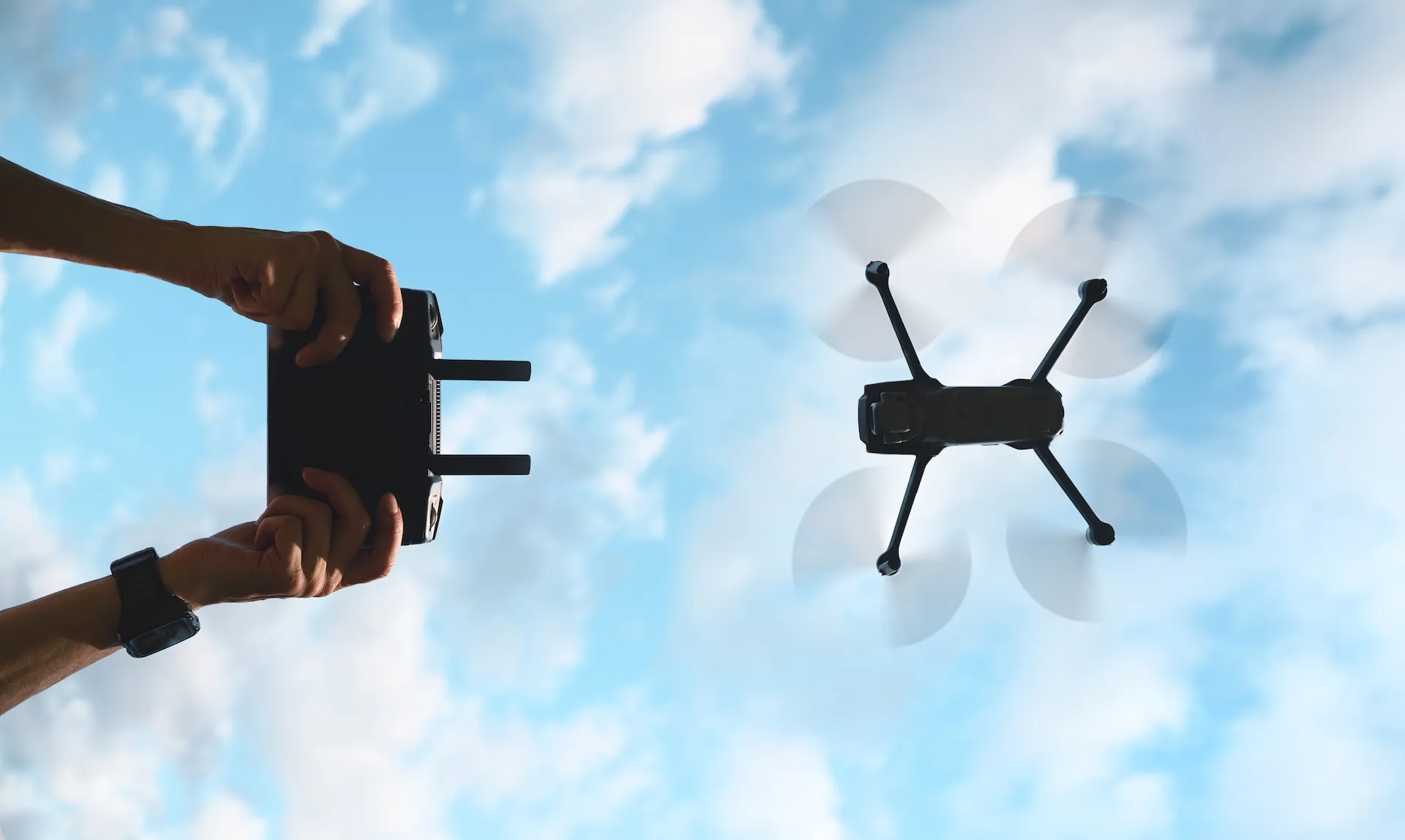
Two inspection drones flying utility powerline route against open sky
Traditional inspection workflow path icon
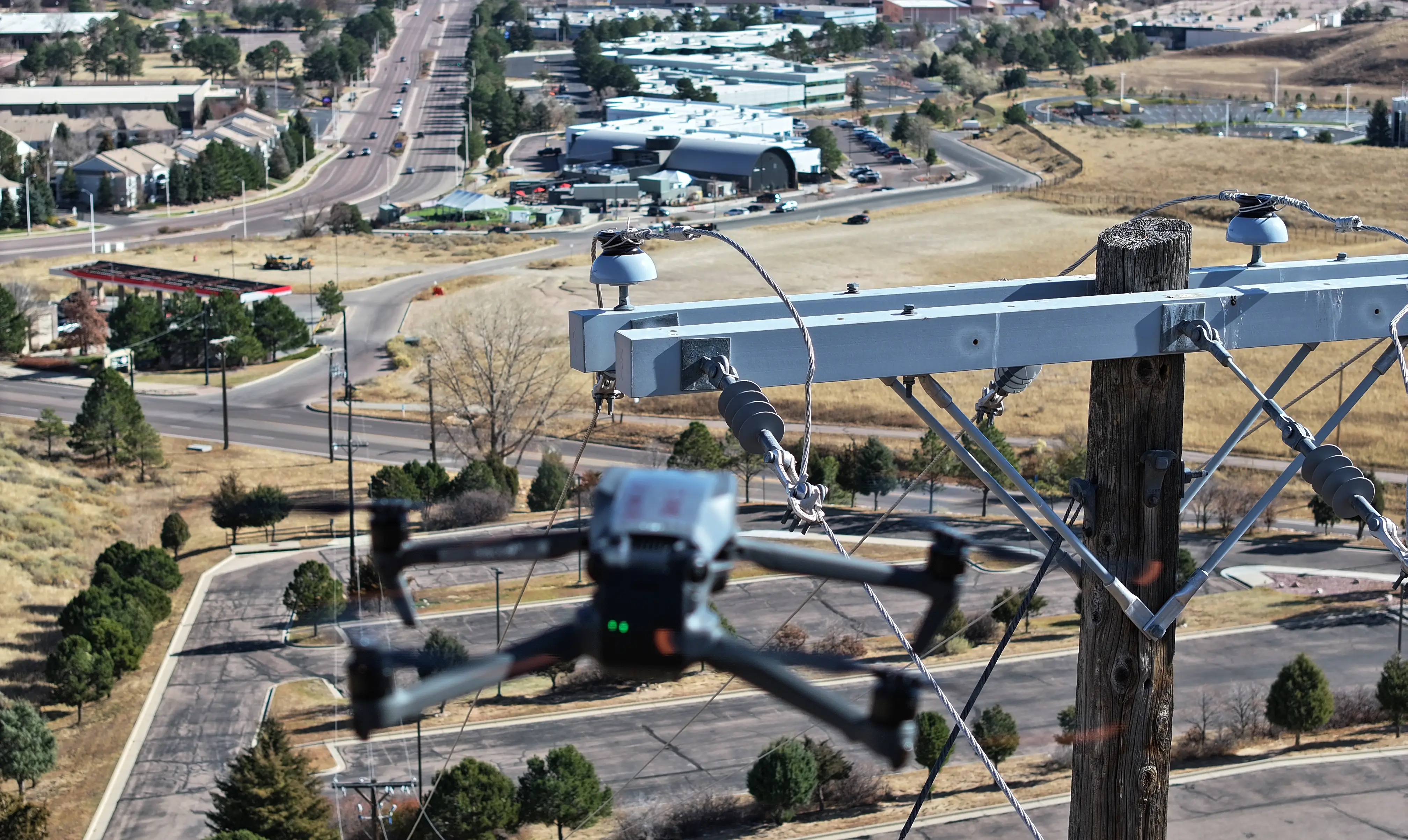
Close-up of inspection drone hovering near utility pole in urban area

Electric Utility Equipment Condition Tracking and Predictive Maintenance

Build a time-stamped, GPS-linked inspection history for every asset on your system. Review degradation trends across inspection cycles and use real condition data — not fixed schedules — to drive maintenance planning and capital investment decisions.

  • Persistent asset photo archive for inspection-over-inspection
  • Customizable inspection forms and scoring by asset type
  • Export to GIS, EAM, and work order management systems
  • Condition-based data to support capital planning
Labor reduction engineering icon
The Utileyes Difference

How Utileyes Works: Photo to Dispatch in 15 Minutes

Most inspection platforms still require significant manual work between the flight and the work order. Utileyes automates the steps that slow everything else down — photo organization, asset matching, and report generation — so your team focuses on the inspection itself.

Step 1
Map and Assign

Upload a KML or CSV file, or auto-generate your route from flight data. Assign assets to pilots on the map.

Step 2
Fly and Capture

Pilots execute their flights and capture thermal and RGB imagery. GPS metadata is embedded in every photo at capture.

Step 3
Auto-Organize

Photos upload and sort automatically by asset and GPS location. No manual folder organization required.

Step 4
Inspect and Tag

Inspectors review imagery, tag anomalies, and rank issues by severity using customizable inspection forms.

Step 5
Report and Dispatch

Reports export to CSV or sync with your work order system. Crews dispatched to exact GPS coordinates.

Step 1
Map and Assign

Upload a KML or CSV file, or auto-generate your route from flight data. Assign assets to pilots on the map.

Step 2
Fly and Capture

Pilots execute their flights and capture thermal and RGB imagery. GPS metadata is embedded in every photo at capture.

Step 3
Auto-Organize

Photos upload and sort automatically by asset and GPS location. No manual folder organization required.

Step 4
Inspect and Tag

Inspectors review imagery, tag anomalies, and rank issues by severity using customizable inspection forms.

Step 5
Report and Dispatch

Reports export to CSV or sync with your work order system. Crews dispatched to exact GPS coordinates.

28%

reduction in systemwide outage minutes in year one

Signal disconnected icon

3.1 X

return on investment through reduced truck rolls and avoided outages

Traditional inspection workflow path icon

Less than 30

days from program kickoff to first live inspection flights

Drone icon

15 minutes

photo to dispatch, versus weeks with their previous vendor

Midwestern Electric Utility

How One Utility Cut Outage Minutes by 28% in Year One After Bringing Drone Inspections In-House

A Midwestern electric utility transitioned away from an outsourced drone vendor and built an in-house inspection program. Starting with a single feeder circuit and two FAA Part 107-certified pilots, they had a functional inspection program running in under 30 days from program launch. By shifting to a consistent in-house inspection cadence — including regular thermal drone flights covering their highest-risk circuits — the utility was able to identify and address equipment issues before they caused outages. After 12 months, they had reduced systemwide outage minutes by 28% and documented a 3.1x return on investment through reduced truck rolls, avoided outages, and better inspection coverage.

Outcome based on real utility program data. Details represent documented results; individual outcomes vary based on system size, inspection frequency, and baseline conditions.
Utileyes
Capability
Outsourced Vendor Programs
Enterprise Platforms
Photo to dispatch time
15 Minutes
1-3 weeks for final report
Varies-days to weeks
Auto photo organization by GPS
Check icon
(Vendor handles internally)
Varies by platform
Built for in-house utility teams
Check icon
(External service model)
(Enterprise IT focused)
Thermal hotspot detection support
Check icon
Depends on vendor capability
Varies by platform
Operational in under 30 days
Check icon
N/A
(Implementation takes months)
Simple enough for linemen to use directly
Check icon
N/A
(Typically requires dedicated admin)
On-demand deployment post-storm or red flag
Check icon
Subject to vender scheduling
Software only, depends on team
arrow_outward