Selecting the right drone equipment for utility inspections isn't just a procurement decision. It's a strategic choice that will shape your program's capabilities, costs, and scalability for years to come.
Get it right, and you'll have a system that matches your inspection missions, integrates with your existing workflows, and delivers data your teams can actually use. Get it wrong, and you'll end up with equipment that sits in a closet or forces painful workarounds every time you fly.
This guide walks through the key equipment decisions for utilities launching or expanding drone inspection programs, whether you're building in-house capability or evaluating a drone service provider's equipment specs.
The Core Components of a Utility Inspection Drone System
A complete drone inspection setup involves more than just the aircraft. Here's what you're actually procuring:
The aircraft (airframe): The drone platform itself, which determines flight time, payload capacity, weather tolerance, and deployment speed.
Sensor payloads: The cameras and sensors that capture inspection data, including RGB (visual), thermal, and LiDAR options.
Ground control station: The controller, tablet or screen, and any software needed to plan and execute flights.
Support equipment: Spare batteries, charging solutions, carrying cases, and field accessories.
Software: Flight planning, data management, and inspection workflow tools.
Training and certification: Part 107 certification for pilots, plus equipment-specific and mission-specific training.
Each component matters. A high-end drone with the wrong sensors won't capture the data you need. The best sensors won't help if your pilots can't process and share the results efficiently.
Aircraft Types: Multi-Rotor, Fixed-Wing, or VTOL?
The drone airframe you choose depends on your primary inspection missions.
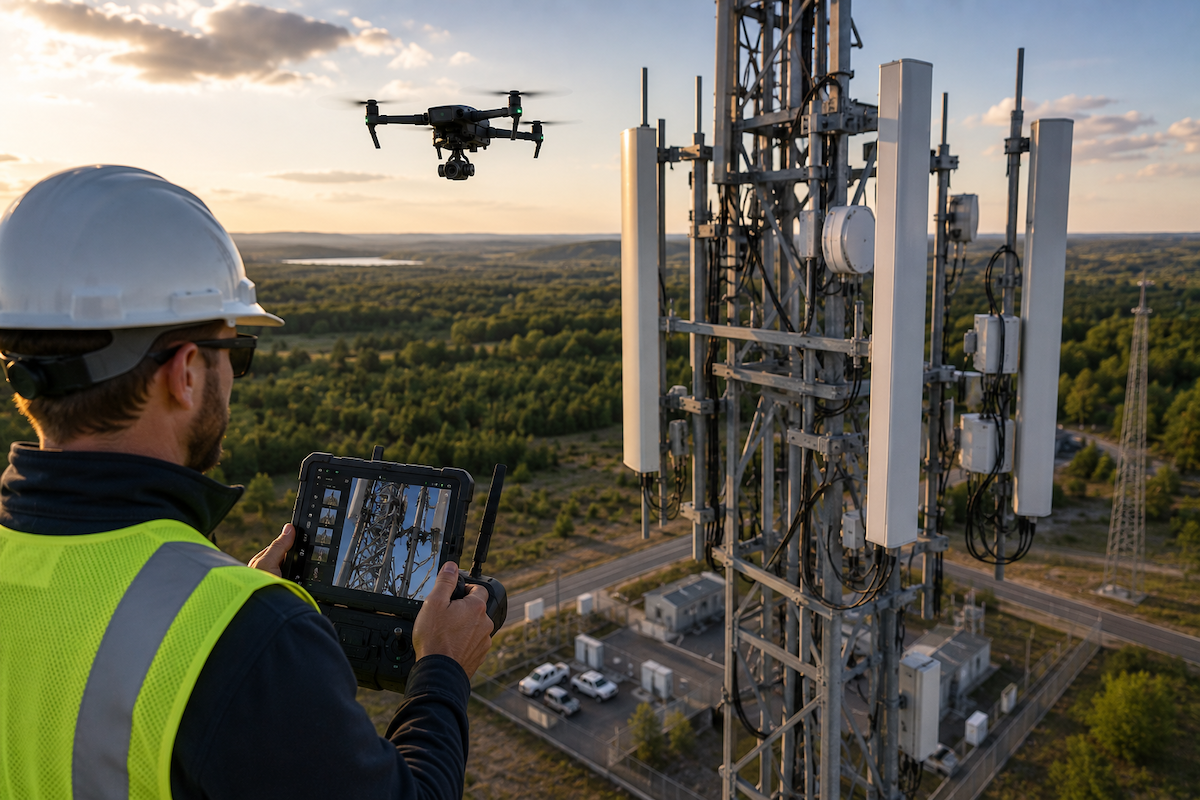
Multi-rotor drones are the standard for utility inspections. They can hover in place for detailed close-up inspection, maneuver around complex structures, and take off and land vertically in tight spaces. Most distribution pole, substation, and detailed transmission structure inspections use multi-rotor platforms.
Flight times typically range from 30 to 55 minutes depending on the platform and payload. Coverage per flight is limited compared to fixed-wing aircraft, but the ability to hover and inspect from multiple angles makes them ideal for detailed asset assessment.
Fixed-wing drones excel at covering long linear corridors, like transmission lines or pipeline rights-of-way. They can stay airborne longer (often 60+ minutes) and cover more ground per flight, but they can't hover for detailed inspection and require more space for takeoff and landing.
For most utilities starting an inspection program, fixed-wing drones are specialized tools for specific corridor missions rather than primary inspection platforms.
VTOL (vertical take-off and landing) hybrids combine multi-rotor takeoff and landing with fixed-wing cruise efficiency. These are useful for utilities that need both detailed inspection capability and long-range corridor coverage, but they're more complex and expensive than dedicated platforms.
Practical recommendation: Most utilities should start with a capable multi-rotor platform. Add fixed-wing or VTOL capability later if your inspection volume and corridor lengths justify it.
Sensor Payloads: RGB, Thermal, and LiDAR
Sensors determine what data you can capture and what problems you can detect. Different inspection missions require different sensor combinations.
High-Resolution RGB (Visual) Cameras
RGB cameras capture standard visual imagery: the photos and video your inspectors will review to identify damaged cross-arms, corroded hardware, cracked insulators, wildlife damage, and other visible defects.
For utility inspections, look for:
- High resolution: 20 MP minimum, 48 to 64 MP preferred for detailed close-up work
- Optical zoom: Allows detailed inspection from a safe distance, particularly important near energized equipment
- Mechanical shutter: Eliminates motion blur for sharper images during flight
Modern enterprise drones like the DJI Mavic 3 Enterprise offer 56x hybrid zoom. The Skydio X10 provides a 64 MP narrow camera and 50 MP wide camera. These specifications matter because higher resolution and better zoom let pilots capture usable detail without flying dangerously close to energized infrastructure.
Thermal (Infrared) Cameras
Thermal sensors detect heat signatures invisible to the naked eye. For utilities, this means identifying:
- Overheating connections and loose hardware
- Failing insulators and conductors under load
- Transformer and switchgear hotspots
- Potential fire ignition sources
Thermal imaging is particularly valuable for fire mitigation in high-risk areas and for energized equipment inspection where you need to assess condition without de-energizing.
Look for radiometric thermal sensors, which capture actual temperature data rather than just thermal imagery. This allows for precise measurement and threshold-based alerts. The FLIR Boson+ sensor (used in Skydio X10 thermal packages) offers 640x512 resolution with sensitivity down to 30 mK, which is 40% more sensitive than previous-generation thermal units.
LiDAR Sensors
LiDAR (Light Detection and Ranging) creates precise 3D point cloud models of structures and terrain. For utilities, LiDAR supports:
- Vegetation encroachment analysis and clearance measurements
- Conductor sag assessment
- Tower and pole structural analysis
- Right-of-way mapping and planning
LiDAR is more specialized and expensive than RGB or thermal sensors. Most utilities don't need it for routine pole inspections, but it's valuable for transmission corridor mapping, vegetation management planning, and detailed structural assessment.
LiDAR-equipped drones like the DJI Matrice 350 RTK with Zenmuse L2 payload can capture survey-grade point cloud data, but the complete system (aircraft plus LiDAR payload) can run $15,000 to $25,000 or more.
Sensor Selection by Inspection Mission
Different utility assets call for different sensor priorities:
Inspection Type
Primary Sensor
Secondary Sensor
Notes
Distribution poles
RGB (high-res)
Thermal
Visual defect detection is primary; thermal for connection issues
Transmission structures
RGB (zoom)
Thermal, LiDAR
Zoom critical for distance; LiDAR for structural analysis
Substations
Thermal
RGB
Thermal hotspots are primary concern; RGB for visual documentation
Solar farms
Thermal
RGB
Panel hotspot detection is primary use case
Wind turbines
RGB (high-res)
Thermal
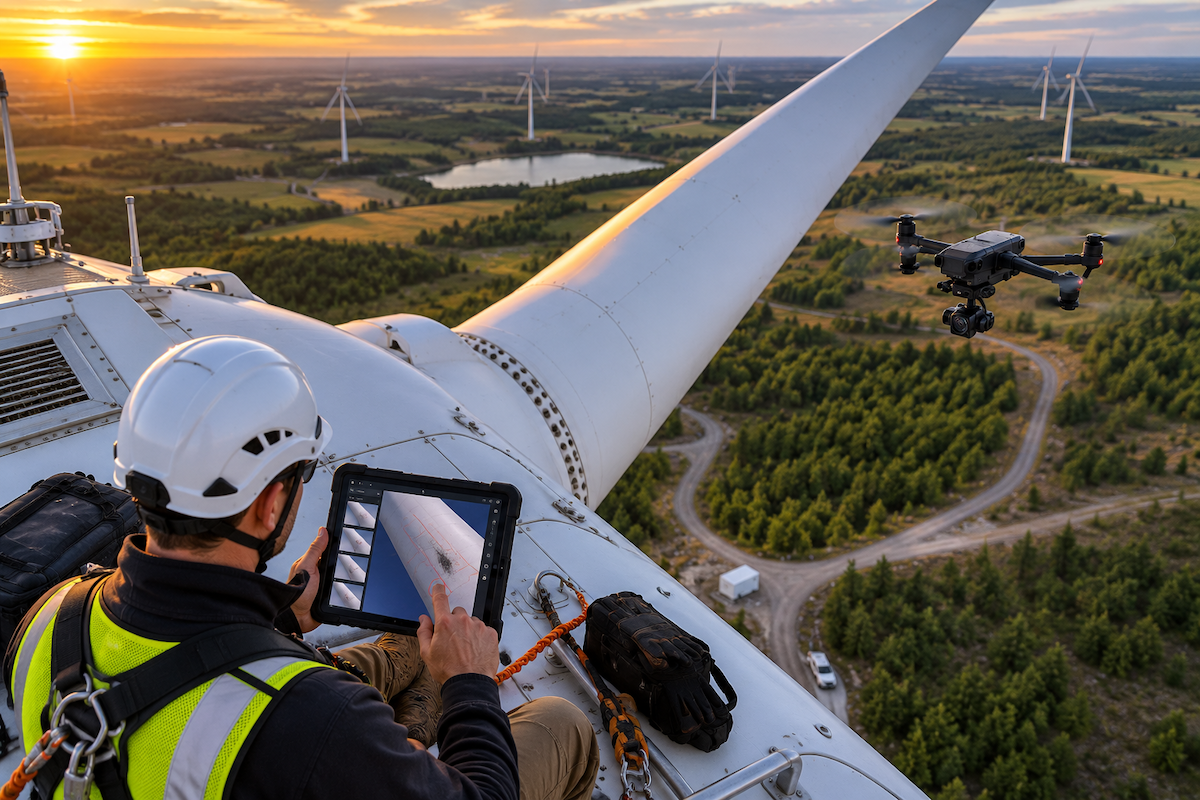
Blade damage detection requires high resolution
Rights-of-way
LiDAR
RGB
Vegetation clearance and mapping; RGB for visual context
Practical recommendation: Start with an RGB and thermal combination. This covers the majority of utility inspection needs. Add LiDAR capability when specific missions (corridor mapping, vegetation management) justify the investment.
Operating in the Utility Environment: EMI and Harsh Conditions
Utility infrastructure presents unique challenges for drone operations.
Electromagnetic interference (EMI): Substations, high-voltage lines, and energized equipment generate electromagnetic fields that can disrupt GPS, compass, and communication systems on some drones. This is a real operational concern, not a theoretical risk.
Some drone platforms are specifically designed and tested for high-EMI environments. Skydio, for example, markets its X10 system as "the only EMI-resistant drone in its class," capable of navigating confidently in GPS-denied or high-EMI environments using AI-based visual navigation rather than relying solely on GPS.
When evaluating equipment, ask vendors specifically about EMI testing and performance near energized infrastructure. Request documentation or references from utility customers operating in similar environments.
Weather tolerance: Utility inspections don't stop for light rain or wind. Look for IP55 or better ingress protection ratings and published wind tolerance specifications. The DJI Matrice 350 RTK, for example, handles winds up to 27 mph and operates from -4°F to 122°F.
Durability: Field equipment takes abuse. Rugged construction, easy-to-replace components, and reliable performance matter more than sleek design.

Equipment Cost Benchmarks
Utility drone equipment spans a wide price range. Here's what to expect in 2024-2025:
Entry-level enterprise drones (RGB + thermal):
- DJI Mavic 3 Enterprise Thermal: $4,000 to $5,000
- Lightweight, portable, good for distribution inspections
- Limited payload flexibility
Mid-range enterprise platforms:
- DJI Matrice 30T: $6,700 to $8,000
- More robust, better sensors, longer range
- Handles more demanding conditions
Heavy-lift flagship platforms:
- DJI Matrice 350 RTK (aircraft only): $7,000 to $8,000
- Add payloads separately: Zenmuse H30T thermal/zoom ($6,000+), Zenmuse L2 LiDAR ($6,000+)
- Supports multiple simultaneous payloads
- 55-minute flight time, hot-swappable batteries
Autonomous/AI-enabled platforms:
- Skydio X10 with thermal: Varies by configuration
- Advanced obstacle avoidance, EMI resistance
- Modular sensor packages (VT300-L, VT300-Z)
Complete program startup costs for a small utility typically range from $15,000 to $50,000+, depending on platform selection, sensor requirements, spare batteries, software licenses, and training. This excludes ongoing operational costs.
The Cost Comparison: Drones vs. Traditional Methods
Drone inspections deliver significant cost advantages over traditional approaches:
Helicopter inspections: Can run $10,000+ per hour for visual inspection via helicopter. Drones suitable for the same work cost a fraction of that and can be deployed on demand without scheduling external aircraft.
Bucket truck inspections: Estimated at roughly $5,500 per truck roll when accounting for crew time, equipment, and opportunity cost. A single drone can inspect far more structures per day than a bucket truck crew, without the access limitations of ground-based equipment.
Right-of-way corridor inspection: Helicopter-based ROW inspections average $1,200 to $1,600 per mile. Drone-based ROW inspections typically run $200 to $300 per mile, roughly 75 to 85% less.
These economics explain why utilities are bringing inspection programs in-house. The equipment investment pays back quickly when compared to traditional methods or outsourced drone services.
What to Ask When Evaluating DSP Equipment
If you're outsourcing to a drone service provider (DSP) rather than flying in-house, you still need to understand equipment specifications. The quality of the DSP's equipment directly affects the quality of your inspection data.
Ask potential providers:
Sensor specifications:
- What camera resolution (megapixels)?
- Thermal: radiometric or non-radiometric? What resolution and sensitivity?
- LiDAR: point density, accuracy specifications?
Data deliverables:
- Standard file formats (JPEG, R-JPEG for radiometric thermal, MP4 video, GeoTIFF orthomosaics, LAS point clouds)?
- Geo-referenced imagery with GPS metadata?
- Compatible with your GIS/asset management systems?
Equipment maintenance and redundancy:
- How is equipment maintained and calibrated?
- Backup equipment available if primary systems fail?
According to Raad, a drone services marketplace, standard utility deliverables should include "geo-referenced imagery (JPEG), thermal radiometric data (R-JPEG), video (MP4), and processed outputs like orthomosaics (GeoTIFF) or point clouds (LAS)."
Don't accept vague answers. Specify data format requirements in your contract.
Common Equipment Pitfalls to Avoid
Utilities often make predictable mistakes when procuring drone equipment:
Buying cheap consumer drones: A $500 consumer drone won't capture inspection-grade data. It lacks the sensor resolution, zoom capability, thermal options, and operational reliability required for professional utility work. The initial savings get eaten up by inadequate data, repeated flights, and equipment failures.
Ignoring data processing and workflow: The drone and sensors are just the front end. You also need software to organize images, match them to assets, support inspector review, and generate reports. Budget for inspection software (like Utileyes) from the start, not as an afterthought.
Underestimating storage and network needs: A single day of thermal and RGB inspection can generate gigabytes of imagery. Multiply that across your inspection program and you'll quickly overwhelm systems not designed for that volume. Plan for data storage, backup, and network capacity.
Buying sensors you don't need yet: LiDAR is impressive technology, but if your primary mission is distribution pole inspection, you don't need a $25,000 LiDAR system on day one. Start with the sensors that match your current priorities and add capability as your program matures.
Forgetting spare batteries: Flight time is limited by battery capacity. Without adequate spare batteries and charging infrastructure, your pilots spend more time waiting for batteries than flying. Budget for at least 4 to 6 batteries per aircraft for sustained field operations.
Starter Equipment Checklist
For utilities launching a basic in-house drone inspection program, here's a practical equipment checklist:
Aircraft and sensors:
- Enterprise-grade multi-rotor drone with RGB and thermal capability
- Consider: DJI Mavic 3 Enterprise Thermal, DJI Matrice 30T, or Skydio X10 with thermal package
Ground control:
- Controller with integrated display (or compatible tablet)
- Sun shade for outdoor visibility
- Carrying case or backpack
Power and spares:
- 4 to 6 flight batteries minimum
- Multi-battery charging hub
- Spare propellers
- Spare SD cards (high-capacity, fast write speed)
Field accessories:
- Landing pad
- Tablet or laptop for flight planning and field review
- High-visibility vest for pilot
Software:
- Flight planning application (often included with drone)
- Inspection and asset management platform (e.g., Utileyes)
- Data processing software if creating orthomosaics or 3D models
Training and certification:
- FAA Part 107 certification for each pilot
- Equipment-specific flight training
- Utility-specific inspection training
For a complete equipment list and pilot gear recommendations, visit the Utileyes FAQ: Drone Pilot Equipment List
Budgeting Categories for Your Drone Program
Plan your budget across these categories:
Initial capital expenditure (CapEx):
- Aircraft and sensors: $4,000 to $25,000+ depending on platform
- Spare batteries and charging equipment: $1,000 to $3,000
- Cases, accessories, field gear: $500 to $1,500
- Software licenses (first year): $1,000 to $5,000+
- Training and certification: $500 to $2,000 per pilot
Annual operating and maintenance (O&M):
- Software subscription renewals: $1,000 to $5,000+
- Battery replacement (degradation over cycles): $500 to $2,000
- Maintenance and repairs: $500 to $2,000
- Insurance: $500 to $2,000
- Recurrent training: $200 to $500 per pilot
Data storage and processing:
- Cloud storage for inspection imagery: Variable based on volume
- Processing software (if generating orthomosaics, point clouds): $2,000 to $10,000+ annually
The total first-year cost for a modest program (one aircraft, two pilots, basic software) typically runs $15,000 to $30,000. Programs with flagship platforms, LiDAR capability, or multiple aircraft can easily exceed $50,000 to $100,000.
Integration with Utility Systems
Drone inspection data is only valuable if it connects to your existing asset management and work order systems.
Before finalizing equipment and software choices, confirm:
GIS compatibility: Can inspection imagery be exported with GPS coordinates and imported into your GIS platform (ESRI, ArcGIS, etc.)?
Asset management integration: Does the inspection software support export to your EAM or work order system? Can you map findings to specific asset IDs?
Data format standards: Are deliverables in formats your engineering and operations teams can use without conversion?
Platforms like Utileyes are designed specifically for utility inspection workflows, automatically organizing imagery by asset and supporting export to common utility systems. Generic drone software may require manual workarounds to achieve the same integration.
The Upgrade Path: Start Core, Expand Later
You don't need to buy everything at once. A practical approach:
Phase 1: Core capability Start with a reliable enterprise drone with RGB and thermal sensors. Focus on distribution pole and substation inspections. Build pilot proficiency and inspection workflows.
Phase 2: Expand coverage Add spare aircraft for redundancy and expanded coverage. Train additional pilots. Refine your software and data management processes.
Phase 3: Advanced capability Add LiDAR for corridor mapping and vegetation management. Consider fixed-wing or VTOL platforms for long-range transmission inspection. Explore BVLOS operations if regulatory approvals and business case justify it.
This phased approach lets you prove value with manageable investment, then scale based on demonstrated results rather than projected ROI.
Making the Right Equipment Decision
Equipment selection sets the foundation for your entire drone inspection program. Take time to:
- Match equipment to your specific inspection missions, not generic marketing claims
- Verify performance in utility environments (EMI, weather, rugged field conditions)
- Budget for the complete system: aircraft, sensors, software, training, and ongoing operations
- Plan for integration with your existing asset management and GIS systems
- Build in an upgrade path as your program matures
The right equipment makes inspections faster, safer, and more effective. The wrong equipment creates frustration, workarounds, and wasted investment.
Ready to Build Your Utility Drone Inspection Program?
Choosing equipment is one piece of the puzzle. You also need inspection software that fits utility workflows, organizing images automatically, supporting standardized inspection criteria, and getting reports into your crews' hands fast.
Request a demo to see how Utileyes helps utilities go from photo capture to crew dispatch in minutes, not weeks.