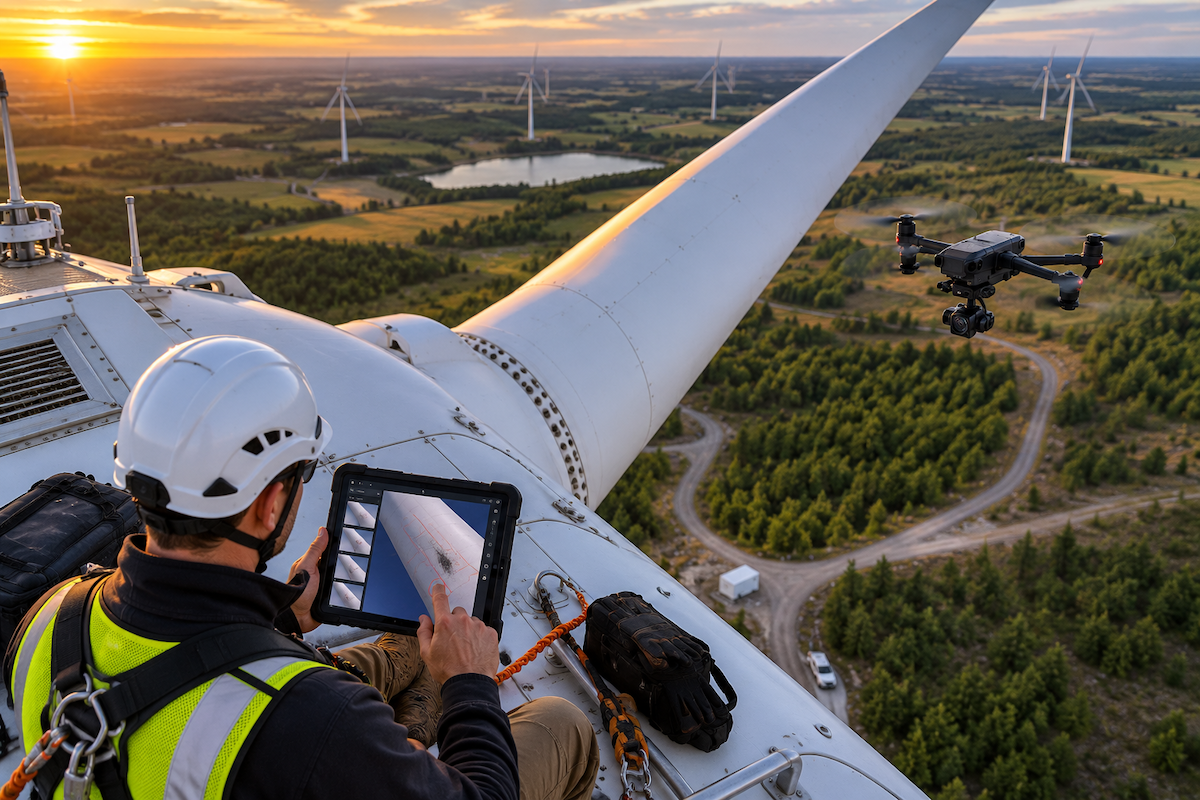
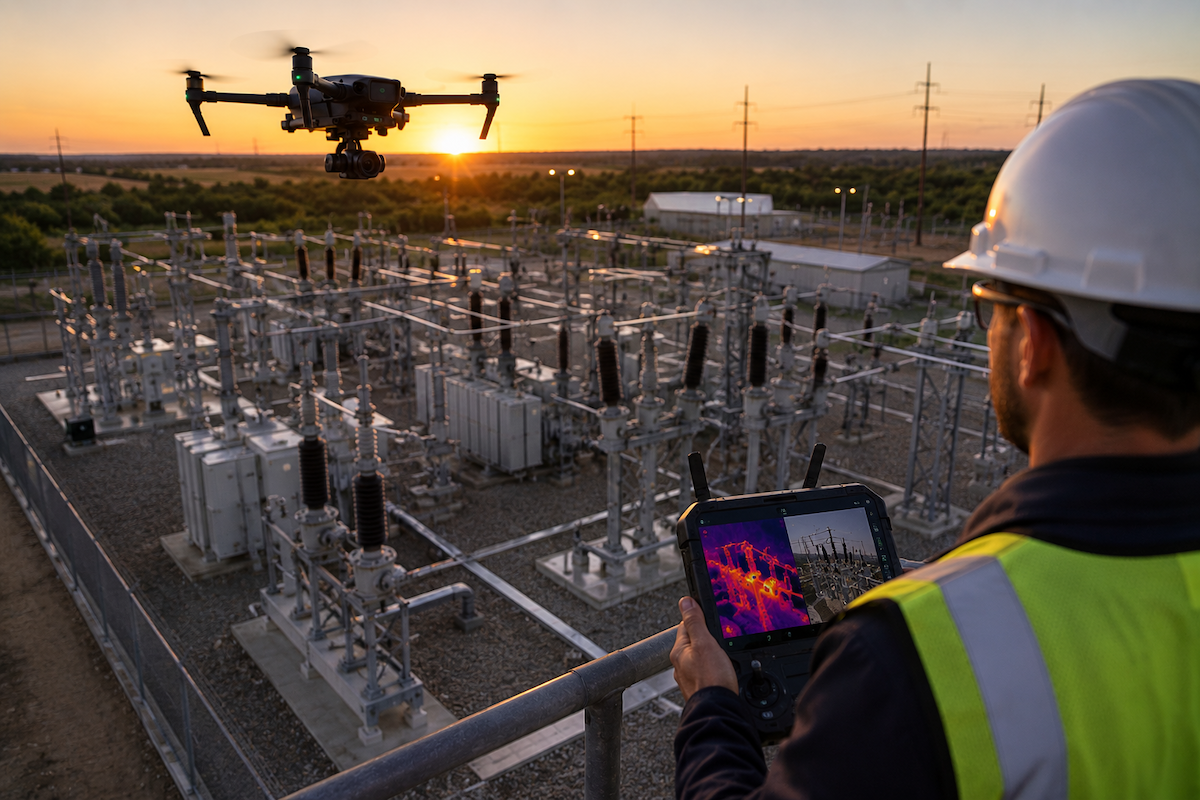
Building an in-house drone inspection program starts well before the first flight. Before a utility can put a drone in the air over distribution lines, at least one team member needs to be legally certified to operate it commercially. That certification comes through the FAA's Part 107 rule, and understanding what it requires, what it restricts, and how it applies to utility work is foundational to running a compliant program.
This is not a regulatory deep-dive for aviation lawyers. It is a practical overview for operations managers, line superintendents, and drone program leads who need to get their teams legal, trained, and ready to fly.
What Part 107 Is and Why It Applies to Your Utility
FAA Part 107 is the federal regulation that governs most non-recreational drone operations in the United States. It applies whenever a drone flight is conducted for a business purpose, compensation, or any activity that provides value beyond pure recreation.
Utility inspection is unambiguously commercial. That means any pilot flying drones for your utility, whether employed directly or contracted, must hold a Remote Pilot Certificate issued by the FAA under Part 107. There are no exceptions for internal programs, government-owned utilities, or operations on private land.
Getting Certified: The Core Requirements
To operate under Part 107, the person manipulating the flight controls must hold a Remote Pilot Certificate issued by the FAA. Applicants must be at least 16 years old, able to read, speak, write, and understand English, and physically and mentally capable of operating a drone safely.
For team members who do not already hold an FAA manned aircraft certificate, certification requires passing the Unmanned Aircraft General (UAG) knowledge test at an FAA-approved testing center. The exam covers airspace classification, weather, loading and performance, emergency procedures, radio communications, and federal aviation regulations.
No prior flight experience is required to take the exam. Study materials are available through the FAA and numerous third-party preparation courses. Most candidates who prepare adequately pass on the first attempt.
Once certified, pilots must complete online recurrent training every 24 calendar months to maintain aeronautical knowledge currency. This recurrent training is free, available through the FAA's website, and covers any rule updates. Letting certification lapse invalidates Part 107 privileges until training is completed.
Drone Registration and Remote ID
Every drone your utility operates commercially must be individually registered with the FAA through FAADroneZone. Part 107 registration costs $5 per drone and is valid for three years. Each drone receives its own registration number, which must be marked on the aircraft.
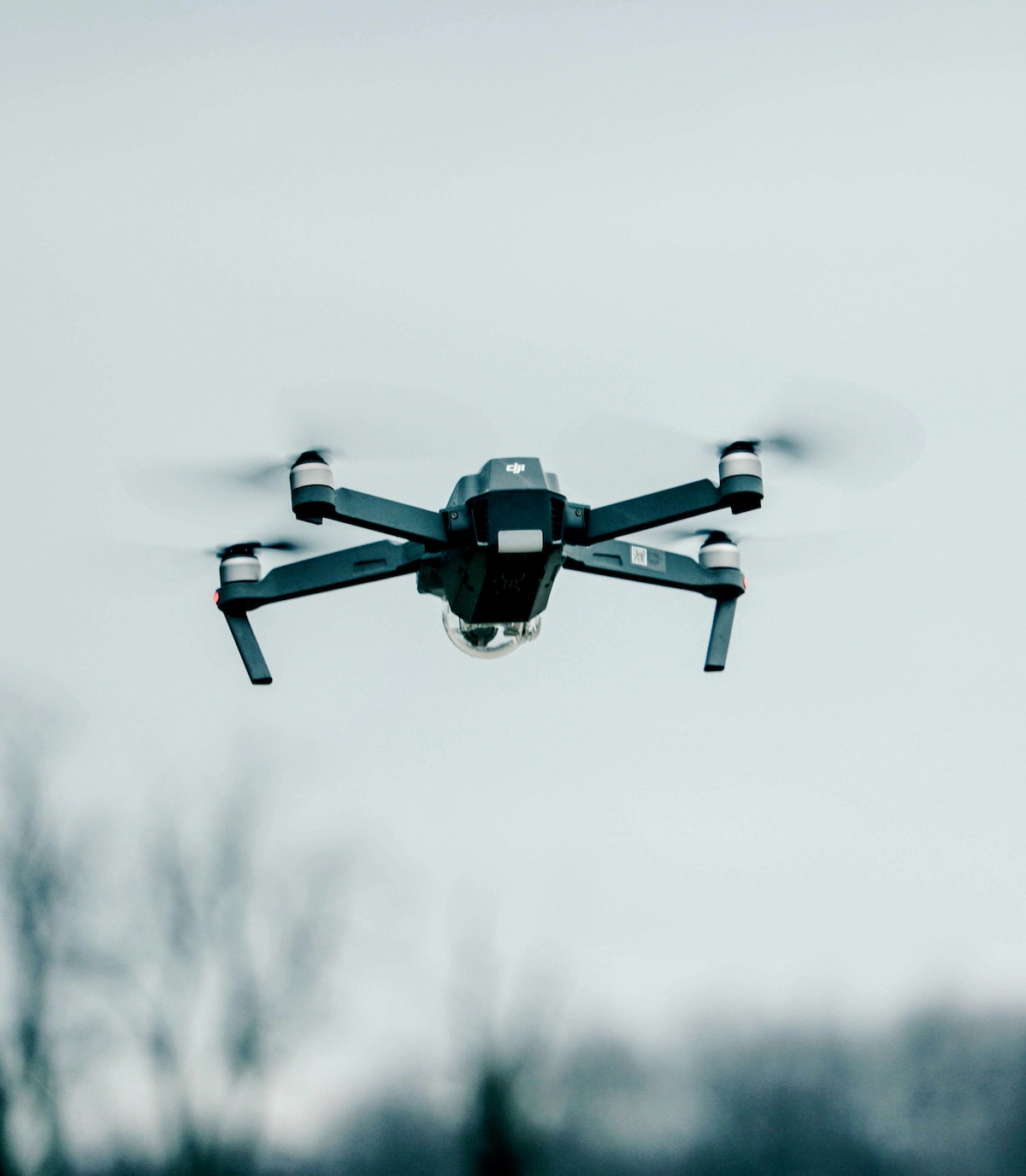
Remote ID is also required. Full enforcement of Remote ID rules began in March 2024. All drones that must be registered with the FAA must now be compliant with Remote ID rules. Think of Remote ID as a digital identifier that broadcasts the drone's location and identification during flight. Most modern commercial drones, including those commonly used for utility inspections like the DJI Matrice series, have Remote ID built in. If your drone does not, a compliant broadcast module must be attached.
For utility programs operating multiple aircraft, each drone requires its own separate registration and Remote ID serial number. Build this into your equipment procurement process from the start.
Key Operational Rules for Utility Flights
Part 107 establishes operational limits that directly affect how utility teams fly. The most relevant ones for powerline inspection work are:
Altitude. The maximum allowable altitude is 400 feet above ground level, and higher if your drone remains within 400 feet of a structure. For most distribution pole and line inspections, the standard 400-foot limit is sufficient. For taller transmission structures, the structure exception allows you to fly up to 400 feet above the structure's highest point as long as you remain within 400 feet of it horizontally.
Visual line of sight. Pilots must maintain visual line of sight with the drone at all times. A visual observer can assist, but cannot substitute for the pilot's own awareness of the aircraft.
Airspace. Operations in Class G airspace are allowed without air traffic control permission. Operations in Class B, C, D, and E airspace require ATC authorization. Most rural distribution line corridors fall in Class G, but lines near airports or in denser areas may require airspace authorization before flying.
LAANC. For flights requiring controlled airspace authorization, the Low Altitude Authorization and Notification Capability (LAANC) uses desktop and mobile apps to provide near real-time airspace authorizations. Many approvals are granted within seconds, making it practical to authorize flights along circuits that pass through or near controlled airspace without lengthy delays.
Weather. Minimum weather visibility is three miles from the control station. Pilots must also maintain required cloud clearance distances during flight.
Incident reporting. Any operation that results in serious injury, loss of consciousness, or property damage of at least $500 must be reported to the FAA within 10 days.
Building Part 107 Into Your Utility's Drone Program
Most utilities starting an in-house program need between one and three certified pilots to get off the ground. The Complete Guide to Starting a Drone Program, developed from utility feedback collected by Utileyes Inspections, recommends identifying at least one internal champion, often a line superintendent or operations manager, who understands both the operational environment and the compliance requirements.
Cross-training existing linemen or field technicians as drone pilots is a common and practical approach. These team members already understand the infrastructure, which shortens the learning curve significantly on the inspection side. Part 107 certification adds the regulatory layer they need to fly legally.
Once certified, pilots should operate under written standard operating procedures covering pre-flight checklists, emergency protocols, airspace authorization steps, and upload procedures. Utileyes Inspections is designed to support this workflow end-to-end: from flight planning and pilot assignment through image upload, QA, and report generation, all anchored to the data structures your operations team already relies on.
What Part 107 Does Not Cover
Part 107 handles certification, registration, and most operational limits. It does not address:
- State or local regulations that may layer on top of federal rules in some jurisdictions
- Utility-specific safety requirements for flying near energized equipment, which are typically governed by your own safety department and OSHA standards
- Beyond Visual Line of Sight (BVLOS) operations, which require a separate FAA waiver and are not covered under standard Part 107 privileges
For the routine distribution line inspections that make up the bulk of an in-house utility drone program, standard Part 107 certification covers everything your pilots need.
Getting Your Team Ready
The path to a compliant utility drone program is straightforward. Identify the team members who will fly. Get them through Part 107 certification. Register each aircraft individually. Confirm Remote ID compliance on every drone in your fleet. Build your SOPs. Then choose inspection software, like Utileyes Inspections, that is designed to support utility-specific workflows from the first flight forward.
Certification is not the finish line. It is the starting point for a program that can reduce inspection costs, improve data quality, and give your utility the operational control that outsourced programs never provide.
Frequently Asked Questions
How long does it take to get Part 107 certified?
The timeline varies by individual, but most candidates prepare for two to four weeks before taking the knowledge test. After passing the exam and completing the IACRA application, it typically takes a few weeks to receive the physical Remote Pilot Certificate, though a temporary certificate is issued immediately upon passing.
Does every drone pilot on our team need to be Part 107 certified?
Any person who manipulates the flight controls during a commercial operation must either hold a Part 107 Remote Pilot Certificate or be under the direct supervision of someone who does. For utility teams, it is cleanest to certify every pilot independently rather than rely on the supervision pathway.
Can a lineman become a certified drone pilot without prior aviation experience?
Yes. Part 107 does not require any prior flight experience. Many utilities cross-train linemen and field techs as drone pilots because their familiarity with the infrastructure makes them effective at capturing inspection-quality imagery quickly.
What happens if we fly without Part 107 certification?
Violations of Part 107 can result in FAA enforcement action ranging from warning letters and remedial training to civil penalties and certificate suspension or revocation. Beyond enforcement risk, operating without certification creates liability exposure for the utility.
Do we need separate certification for flying thermal drones?
No. Part 107 certification covers operation of any small unmanned aircraft system under 55 pounds, regardless of payload. Thermal-equipped drones used for utility inspections fall under the same Remote Pilot Certificate. No additional FAA certification is required specifically for thermal payloads. Email us Today. info@utileyes.com