Part 5 of the Utility Drone Program Series
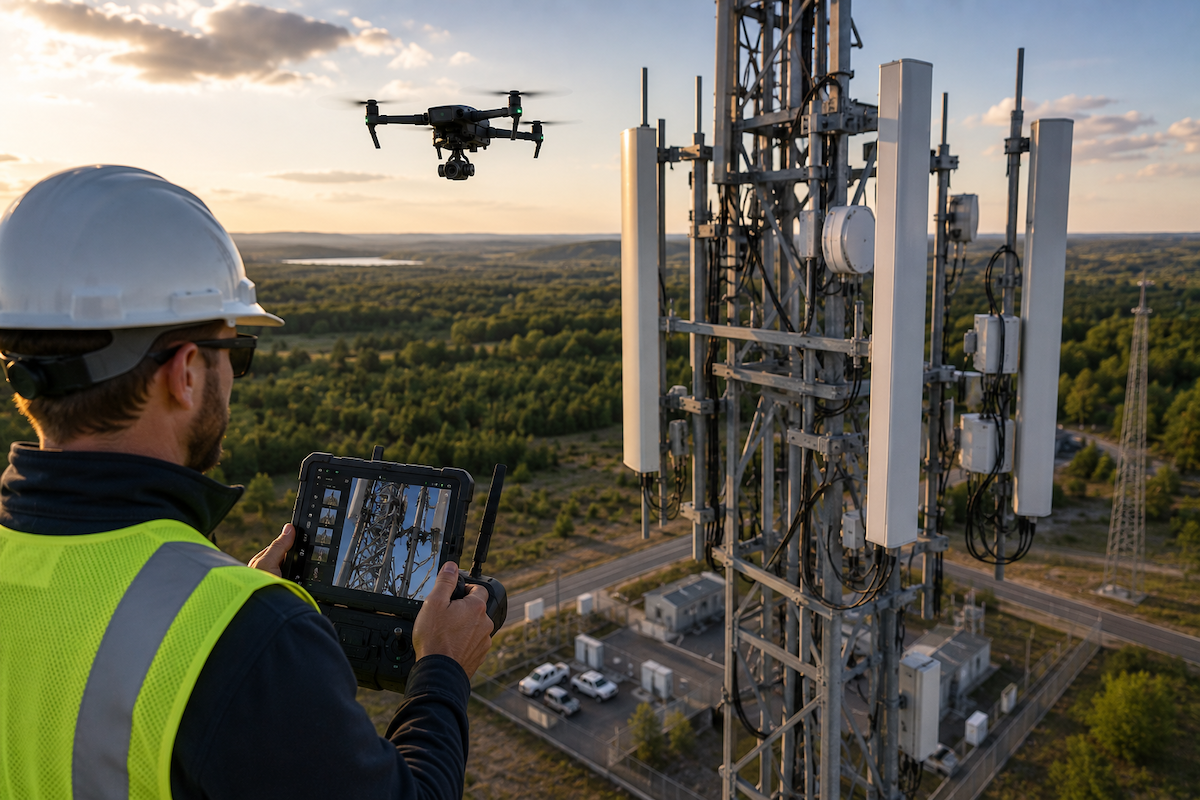
In utility operations, safety is not a checkbox. It is the foundation of every decision, every procedure, and every outcome. When you introduce drones into your inspection program, that safety culture must extend to every flight, every pilot, and every data capture mission.
The utility sector carries inherent risks that other industries do not face. High-voltage infrastructure, electromagnetic interference, terrain hazards, and coordination with manned aircraft operations create a unique operational environment. A drone program that fails to address these realities is not just inefficient. It is dangerous.
This guide establishes the pre-flight, in-flight, and post-flight safety protocols that utility drone programs require. Whether you operate in-house or coordinate with drone service providers (DSPs), these standards ensure compliance, protect personnel, and deliver the inspection quality your asset management teams depend on.
Why Safety Discipline Matters in Utility Drone Operations
Traditional utility inspections already operate under rigorous safety protocols. Line crews follow lockout/tagout procedures. Climbing operations require fall protection. Bucket truck deployments follow traffic safety standards. Your drone program must integrate into this existing safety culture, not operate outside it.
The FAA requires preflight inspections under Part 107.49, but regulatory minimums are not sufficient for utility environments. Flying near energized 69 kV distribution lines or 345 kV transmission corridors introduces hazards that standard commercial drone operations never encounter.
Consider what distinguishes utility drone inspection from other commercial applications:
Electromagnetic interference (EMI) from high-voltage infrastructure can disrupt GPS navigation, compass calibration, and control links. Standard consumer drones may experience erratic behavior or complete signal loss near substations or transmission structures.
Proximity to energized equipment creates both safety risks and potential equipment damage. Maintaining appropriate standoff distances requires planning, not improvisation during flight.
Coordination with utility operations means understanding switching schedules, outage windows, and real-time system status. Flying near equipment that field crews believe is de-energized, but actually remains live, creates life-threatening situations.
Integration with manned aircraft occurs when utilities also operate helicopter inspection programs or when emergency response aircraft enter the area. Deconfliction procedures must be established before launch.
A research study by DEKRA Organisational Safety and Reliability found that the utility sector faces higher risk for serious injuries and fatalities than construction, manufacturing, or mining.
Drone technology offers a path to reduce that risk, but only when implemented with appropriate safety discipline.

Pre-Flight Safety Checklist
The pre-flight phase establishes the conditions for safe, successful operations. Rushing through these steps to "get in the air faster" is how incidents occur.
Regulatory Compliance Verification
Before any flight, confirm that your operation meets FAA requirements and any additional utility-specific authorizations.
Remote Pilot Certification
- Verify pilot holds current Part 107 Remote Pilot Certificate
- Confirm certificate is physically present during operation
- Check for any medical conditions affecting fitness to fly
- Review recency of flight experience (consider establishing internal minimums)
Aircraft Registration and Airworthiness
- Confirm FAA registration is current and displayed on aircraft
- Verify registration matches the specific aircraft being deployed
- Check that aircraft meets weight requirements (under 55 pounds for standard Part 107)
- Review maintenance logs for any open discrepancies
Airspace Authorization
- Check for Temporary Flight Restrictions (TFRs) affecting the operating area
- Review NOTAMs (Notices to Air Missions) for relevant airspace
- Obtain LAANC authorization if operating in controlled airspace
- Confirm any COA (Certificate of Authorization) or waiver conditions are met
- Document all authorizations in the flight record
Site and Mission Assessment
Understanding the specific environment you will operate in prevents surprises during flight.
Utility Asset Awareness
- Identify voltage levels of all nearby infrastructure (distribution, transmission, substation)
- Confirm energization status of equipment in the inspection area
- Review switching schedules and planned outages
- Coordinate with utility operations center for real-time system status
- Identify minimum approach distances based on voltage levels
Environmental Conditions
- Check current and forecast weather at the operating location
- Verify wind speeds are within aircraft operating limits (most platforms tolerate up to 20-27 mph)
- Confirm no precipitation is expected during the flight window
- Check visibility conditions for maintaining visual line of sight
- Review temperature impacts on battery performance (reduced capacity below 50 degrees F)
- For thermal inspections, confirm optimal timing (early morning or late afternoon for temperature contrast)
Terrain and Obstacle Assessment
- Survey the launch and recovery area for obstacles
- Identify guy wires, vegetation, and structures in the flight path
- Note terrain elevation changes affecting altitude reference
- Plan approach and departure routes that avoid obstacles
- Identify emergency landing zones
Airspace Coordination
- Confirm awareness of any manned aircraft operations in the area
- Establish communication with utility helicopter operations if applicable
- Review procedures for yielding to manned aircraft
- Confirm visual observer positioning for maximum situational awareness
Equipment Inspection
Systematic equipment checks prevent mechanical failures that could result in loss of aircraft or injury.
Airframe Integrity
- Inspect fuselage for cracks, dents, or structural damage
- Check motor mounts for secure attachment
- Verify landing gear is undamaged and properly attached
- Inspect gimbal mount and dampers for damage or wear
- Confirm all access panels are secure
Propulsion System
- Inspect each propeller for nicks, cracks, or deformation
- Verify propellers are correctly installed (rotation direction, locking mechanism)
- Check motor spindles for debris or damage
- Listen for abnormal sounds during motor spin-up
- Confirm propeller guards are installed if required by operating procedures
Sensor Payloads
- Verify camera lens is clean and undamaged
- Confirm gimbal moves freely through full range of motion
- Check thermal sensor calibration status
- Verify SD card is installed with adequate storage capacity
- Confirm correct camera settings for the mission (resolution, format, interval)
- Test zoom and focus functions
Battery Systems
- Verify battery charge level meets mission requirements (typically minimum 90-100% at launch)
- Inspect battery for swelling, damage, or corrosion on contacts
- Check battery temperature is within operating range
- Review battery cycle count and health status
- Confirm battery firmware matches aircraft firmware
- Verify spare batteries are charged and available
- Check battery storage conditions since last charge (stored at 40-60% if more than 10 days)
Ground Control Station
- Verify controller battery is fully charged
- Confirm mobile device or tablet battery is adequate
- Check display visibility in current lighting conditions
- Verify control link connection between aircraft and controller
- Confirm flight app is current version with latest firmware
- Test control inputs before launch
GPS and Navigation
- Allow adequate time for GPS satellite acquisition (minimum 10-12 satellites recommended)
- Verify GPS accuracy indication meets requirements
- Calibrate compass if prompted or if operating in new location
- Note any EMI concerns near substation or high-voltage equipment
- Consider AI-based visual navigation systems (like Skydio X10) for high-EMI environments
Mission Briefing
Every flight requires a briefing that ensures all personnel understand the mission, their roles, and emergency procedures.
Shot List Review
- Confirm pilot has reviewed the shot list for this mission (reference Blog 4 in this series)
- Verify understanding of required capture angles, altitudes, and sensor modes
- Review asset identification and sequencing
- Confirm expected flight time and battery requirements
- Identify any challenging shots requiring special attention
Crew Roles and Communications
- Confirm Remote Pilot in Command (RPIC) designation
- Assign visual observer(s) and confirm their positioning
- Establish communication protocol between crew members
- Confirm communication with utility site personnel if applicable
- Exchange emergency contact information
- Brief all personnel on abort signals and procedures
Emergency Procedures Review
- Review Return to Home (RTH) settings and altitude
- Confirm RTH location is appropriate (clear of obstacles, not over personnel)
- Brief lost link procedures and expected aircraft behavior
- Review battery failsafe settings and low battery warnings
- Establish procedures for manned aircraft incursion
- Brief emergency landing procedures and designated landing zones
- Review fire suppression equipment location and use
During Mission: Real-Time Considerations
Once airborne, the focus shifts to safe execution, situational awareness, and quality data capture.
Maintaining Safe Operations
Visual Line of Sight
- Maintain continuous visual contact with the aircraft
- Use visual observers to extend situational awareness
- Communicate aircraft position and heading continuously
- Monitor for other aircraft entering the area
Safe Separation from Energized Equipment
- Maintain minimum standoff distances based on voltage levels
- Account for conductor movement in wind conditions
- Never fly between phases of energized conductors
- Approach structures from angles that minimize risk
- Industry guidance suggests minimum 100-150 feet horizontal clearance and 50 feet vertical distance from high-voltage lines
Altitude and Airspace Compliance
- Monitor altitude relative to 400-foot AGL limit (or structure-relative allowances)
- Maintain awareness of controlled airspace boundaries
- Comply with any waiver or authorization conditions
EMI Awareness
- Monitor for signs of compass or GPS interference
- Watch for erratic flight behavior near substations or high-voltage equipment
- Be prepared to switch to manual flight modes if automatic navigation is affected
- Consider aborting approach if interference symptoms appear
- Industrial platforms like the Skydio X10 use visual navigation unaffected by EMI, providing reliable operation in high-interference environments
Lost Link Procedures
Loss of communication link between the aircraft and ground control station is a realistic scenario, particularly in utility environments with EMI challenges.
Immediate Actions
- Maintain visual contact with the aircraft
- Note aircraft position and heading at time of link loss
- Avoid interfering with automated lost link behavior
Expected Aircraft Behavior Most modern platforms execute automatic lost link procedures:
- Aircraft hovers in place for a defined period (typically 10-30 seconds)
- If link is not restored, aircraft initiates Return to Home
- RTH occurs at preset altitude to clear obstacles
- Aircraft lands at home point and powers down
Pilot Actions
- Move toward the aircraft to reduce range and restore link
- Attempt link restoration through controller reconnection
- If link is restored, resume manual control or abort mission
- Document the incident in flight logs
Pre-Flight Preparation
- Verify RTH altitude clears all obstacles in the operating area
- Confirm home point is set to appropriate location
- Test RTH function before beginning mission capture
- Brief visual observers on expected lost link behavior
Documenting Anomalies
During flight, pilots may observe conditions requiring documentation beyond planned inspection capture.
Equipment Anomalies
- Note any unusual aircraft behavior (drift, vibration, control response)
- Document sensor warnings or error messages
- Record battery performance variations from expected
Infrastructure Observations
- Document obvious defects observed during flight (damaged insulators, broken hardware, vegetation contact)
- Capture additional imagery of unexpected conditions
- Note GPS coordinates of significant findings
- Communicate critical observations to utility personnel immediately
Environmental Changes
- Monitor weather conditions throughout the flight
- Document any changes affecting operations (increasing wind, approaching precipitation)
- Be prepared to abort if conditions deteriorate
Post-Flight Review and Data Handling
The mission does not end when the aircraft lands. Post-flight procedures ensure data integrity, equipment readiness, and continuous improvement.
Immediate Post-Landing Actions
Aircraft Securing
- Power down aircraft and controller in proper sequence
- Remove and secure batteries
- Remove SD cards and secure for data transfer
- Conduct visual inspection of aircraft for flight damage
Initial Equipment Inspection
- Check propellers for damage from debris contact
- Inspect landing gear for stress or damage
- Verify gimbal and camera are undamaged
- Note any new discrepancies for maintenance action
Battery Handling
- Allow batteries to cool before storage or recharging
- Check battery temperature before handling
- Inspect for any swelling or damage from flight
- Store at appropriate charge level (40-60% for extended storage)
- Log battery cycles and flight time
Data Management
Inspection data is the deliverable your program exists to produce. Proper handling ensures that data reaches asset management teams in usable condition.
Immediate Data Backup
- Transfer all flight data to secure storage immediately after landing
- Maintain clear organization by date, location, and asset
- Implement consistent file naming conventions
- Verify data transfer completion before reformatting SD cards
- Follow the 3-2-1 backup rule: three copies, two different storage types, one off-site
Quality Review
- Review captured imagery for completeness against shot list
- Verify image quality (focus, exposure, framing)
- Check GPS tagging and metadata accuracy
- Identify any gaps requiring re-flight
- Flag images with identified defects for priority review
Data Security
- Protect flight data with appropriate access controls
- Use encrypted storage for sensitive infrastructure imagery
- Follow utility data handling policies
- Maintain chain of custody documentation
- Comply with any NDAA or supply-chain security requirements
Flight Documentation
Comprehensive logging supports regulatory compliance, maintenance tracking, and program improvement.
Flight Log Requirements
- Date, time, and location of operation
- Pilot in command identification
- Aircraft identification and registration
- Flight duration and battery cycles
- Weather conditions at time of flight
- Any incidents, anomalies, or deviations from plan
- Maintenance actions performed or required
Maintenance Tracking
- Log total flight hours on aircraft
- Track component hours (motors, propellers, batteries)
- Schedule preventive maintenance based on manufacturer recommendations
- Document any damage or discrepancies discovered
- Record all repairs and parts replacements
Incident Reporting
- Document any safety incidents regardless of severity
- Report accidents resulting in injury or property damage over $500 to FAA within 10 days
- Conduct root cause analysis for any incidents
- Implement corrective actions and track completion
Connecting to Asset Management
Inspection data only creates value when it reaches the teams who act on it.
Deliverable Preparation
- Process imagery according to utility specifications
- Organize data by asset ID matching GIS records
- Prepare inspection reports with defect documentation
- Include GPS coordinates for all identified issues
- Classify findings by severity for prioritization
Work Order Integration
- Link inspection findings to asset management systems
- Generate work orders for identified maintenance needs
- Provide supporting imagery and documentation
- Track defect resolution through maintenance completion
Trend Analysis
- Compare inspection results against historical data
- Identify patterns indicating systemic issues
- Support predictive maintenance strategies
- Measure program performance against KPIs
Utility-Specific Hazards and Mitigations
Utility drone operations face hazards that other commercial applications do not encounter. Understanding these risks enables effective mitigation.
High-Voltage Lines and EMI
Hazard Description Electromagnetic fields from high-voltage transmission and distribution infrastructure can interfere with drone navigation systems, compass calibration, and control links. The closer the aircraft operates to energized equipment, the greater the potential for interference.
Mitigation Strategies
- Use industrial-grade platforms designed for high-EMI environments
- Consider AI-based visual navigation systems that operate independently of GPS
- Calibrate compass away from substations and high-voltage equipment
- Monitor for interference symptoms during approach
- Establish abort criteria if navigation becomes unreliable
- Maintain standoff distances that reduce EMI exposure
- Test equipment performance in representative environments before operational deployment
Live Asset Proximity
Hazard Description Contact between the aircraft and energized equipment creates risk of electrical damage, fire, or arc flash. Even proximity without contact can create electrical hazards at high voltage levels.
Mitigation Strategies
- Establish minimum approach distances based on voltage levels
- Coordinate with utility operations on energization status
- Never fly between phases of energized conductors
- Account for conductor sag and sway in wind conditions
- Use zoom capabilities to capture detail from safe distances
- Brief pilots on utility-specific hazards before each mission
Terrain and Vegetation
Hazard Description Utility rights-of-way traverse varied terrain including forests, mountains, wetlands, and agricultural areas. Vegetation, guy wires, and terrain features create collision hazards.
Mitigation Strategies
- Conduct thorough pre-flight survey of operating area
- Identify guy wires and mark on flight planning maps
- Plan flight paths that avoid obstacles
- Use obstacle avoidance systems where available
- Maintain altitude margin above vegetation and terrain
- Position visual observers to monitor flight path clearance
Manned Aircraft Coordination
Hazard Description Many utilities operate helicopter inspection programs. Emergency response, medical, and law enforcement aircraft may also operate in utility corridors. Mid-air collision with manned aircraft would be catastrophic.
Mitigation Strategies
- Coordinate with utility aviation operations before drone missions
- Monitor aviation frequencies where possible
- Establish visual observer protocols for aircraft detection
- Brief immediate descent and landing procedures for manned aircraft incursion
- Yield right of way to all manned aircraft
- Consider ADS-B receivers for traffic awareness
- Document coordination procedures in standard operating procedures
Safety Management System Integration
Mature utility drone programs integrate with the organization's broader Safety Management System (SMS). This integration ensures that drone operations receive the same safety oversight as other utility activities.
SMS Framework Application
Safety Policy
- Establish written safety policy for drone operations
- Secure management commitment to safety resources
- Define safety responsibilities for all personnel
- Communicate policy to all program participants
Safety Risk Management
- Identify hazards specific to drone operations
- Assess risk levels using utility risk matrix
- Implement controls to reduce risk to acceptable levels
- Document risk assessments and control decisions
- Review risk assessments when conditions change
Safety Assurance
- Monitor drone operations for safety performance
- Track leading indicators (pre-flight checklist compliance, near-misses)
- Track lagging indicators (incidents, equipment damage)
- Conduct periodic safety audits
- Implement corrective actions for identified deficiencies
Safety Promotion
- Provide initial and recurrent safety training
- Communicate safety lessons learned across the program
- Encourage safety reporting without fear of punishment
- Recognize and reward safe performance
Documentation Requirements
SMS integration requires documentation that demonstrates systematic safety management.
Required Documentation
- Safety policy statement
- Hazard register with risk assessments
- Standard operating procedures
- Training records for all personnel
- Flight logs and maintenance records
- Incident reports and corrective actions
- Audit findings and responses
Audit Preparation Maintain documentation in audit-ready condition. Regulatory agencies, internal auditors, and utility reliability teams may request evidence of safety compliance at any time.
Common Mistakes and Mitigations
Even experienced programs encounter recurring safety challenges. Learning from common mistakes prevents their repetition.
Common Mistake
Risk
Mitigation
Ignoring EMI risk near substations
GPS drift, erratic flight, loss of control
Use EMI-resistant platforms, calibrate compass away from equipment, monitor for interference symptoms
Inadequate battery margin
Forced landing, loss of aircraft
Plan for 20-30% reserve at landing, account for wind and temperature effects, carry spare batteries
Poor shot list alignment
Incomplete data, repeat flights required
Review shot list in briefing, verify pilot understanding, check coverage against plan post-flight
Skipping pre-flight checks
Equipment failure, regulatory violation
Use written checklist every flight, document completion, make checklist completion mandatory
Launching without weather check
Unsafe conditions, equipment damage, poor data quality
Check weather immediately before launch, establish wind and visibility limits, abort if conditions deteriorate
No lost link procedure review
Confusion during emergency, improper response
Brief lost link procedures every flight, verify RTH settings, test RTH before mission capture
Operating without coordination
Conflict with utility operations or manned aircraft
Establish coordination protocols, communicate with operations center, document clearances
Delayed data backup
Data loss, repeat flights required
Transfer data immediately after landing, verify transfer completion, follow 3-2-1 backup rule
Incomplete flight documentation
Compliance gaps, maintenance tracking failure
Complete flight log immediately after each flight, review logs weekly, maintain audit-ready records
No post-flight inspection
Undetected damage, progressive failure
Inspect aircraft after every flight, document findings, ground aircraft with discrepancies
Building Your Pre-Flight Checklist
Your organization should develop a pre-flight checklist tailored to your specific operations, equipment, and utility environment. The following template provides a starting framework.
Utility Drone Pre-Flight Checklist Template
REGULATORY COMPLIANCE
- [ ] Pilot Part 107 certificate current and present
- [ ] Aircraft FAA registration current and displayed
- [ ] Airspace authorization obtained (LAANC/waiver/COA)
- [ ] NOTAMs and TFRs reviewed
- [ ] Flight within Part 107 limitations or waiver conditions
SITE ASSESSMENT
- [ ] Utility operations coordination complete
- [ ] Voltage levels and energization status confirmed
- [ ] Minimum approach distances established
- [ ] Weather conditions acceptable (wind, visibility, precipitation)
- [ ] Temperature within battery operating range
- [ ] Launch/recovery area surveyed and clear
- [ ] Emergency landing zones identified
- [ ] Manned aircraft operations coordinated
AIRCRAFT SYSTEMS
- [ ] Airframe inspected for damage
- [ ] Propellers inspected and secure
- [ ] Motors spin freely without abnormal sounds
- [ ] Gimbal moves freely through full range
- [ ] Camera lens clean and undamaged
- [ ] SD card installed with adequate capacity
- [ ] Camera settings verified for mission
BATTERY SYSTEMS
- [ ] Flight battery charge level adequate (minimum 90%)
- [ ] Battery inspected for swelling or damage
- [ ] Battery temperature within operating range
- [ ] Battery firmware current
- [ ] Spare batteries charged and available
- [ ] Controller battery charged
- [ ] Mobile device battery charged
NAVIGATION AND CONTROL
- [ ] GPS satellite count adequate (minimum 10-12)
- [ ] GPS accuracy indication acceptable
- [ ] Compass calibrated (if required)
- [ ] Control link established
- [ ] Control inputs tested
- [ ] RTH altitude set to clear obstacles
- [ ] RTH location appropriate
- [ ] Failsafe settings verified
MISSION BRIEFING
- [ ] Shot list reviewed with pilot
- [ ] Crew roles assigned (RPIC, VO)
- [ ] Communication protocol established
- [ ] Emergency procedures briefed
- [ ] Abort signals reviewed
- [ ] Lost link procedures briefed
AUTHORIZATION
- [ ] Pre-flight checklist complete
- [ ] All crew members briefed
- [ ] RPIC authorizes launch
Continuous Improvement
Safety programs that do not evolve become stagnant. Build continuous improvement into your drone safety practices.
After-Action Review
Following each mission or at regular intervals, conduct after-action reviews that address:
- What went well that should be repeated?
- What did not go as planned?
- What would we do differently next time?
- What near-misses occurred that could become incidents?
- What procedures need clarification or revision?
Metrics and Tracking
Monitor safety performance through measurable indicators:
- Pre-flight checklist completion rate
- Incidents and near-misses per flight hour
- Equipment damage rate
- Data quality pass rate
- Re-flight rate due to incomplete coverage
- Training currency compliance
Industry Engagement
Stay current with evolving best practices:
- Participate in utility drone user groups
- Monitor FAA regulatory developments
- Review manufacturer safety bulletins
- Share lessons learned with peer utilities
- Engage with industry associations (EEI, APPA, NRECA)
Connecting Safety to Program Success
Safety and operational success are not competing priorities. They are mutually reinforcing. Programs that cut safety corners experience equipment damage, regulatory violations, and personnel injuries that ultimately cost more than proper safety investment.
Guardian Drone Solutions, a veteran-owned company serving the energy and utility sector, emphasizes that drones help utilities "detect cracks, corrosion, and structural issues early, before they lead to costly failures" while allowing "utility operators to save time, reduce risks, and cut costs." This value proposition depends entirely on safe, reliable operations.
Phoenix Air Unmanned has demonstrated that rigorous safety protocols enable advanced operations. Their nationwide FAA BVLOS waiver for utility inspections, covering over 15,000 miles of transmission line inspection, resulted from documented safety management practices that satisfied FAA requirements.
Your drone program exists to improve utility inspection safety and effectiveness. The safety practices outlined in this guide ensure that you achieve those goals without introducing new risks.
Next Steps
Implementing comprehensive safety practices requires commitment, but the investment pays returns in reliable operations, regulatory compliance, and program credibility.
Immediate Actions
- Review your current pre-flight procedures against this guide
- Develop or update your written pre-flight checklist
- Brief all pilots on utility-specific hazards
- Establish coordination protocols with utility operations
- Document your safety management approach
Ongoing Practices
- Complete the full pre-flight checklist before every flight
- Brief emergency procedures before every mission
- Document every flight in your flight log
- Conduct post-flight inspections after every landing
- Review safety performance regularly
Ready to implement rigorous safety practices in your utility drone program?
Request a Demo to see how Utileyes Inspections supports safe, efficient drone inspection workflows from capture through reporting.