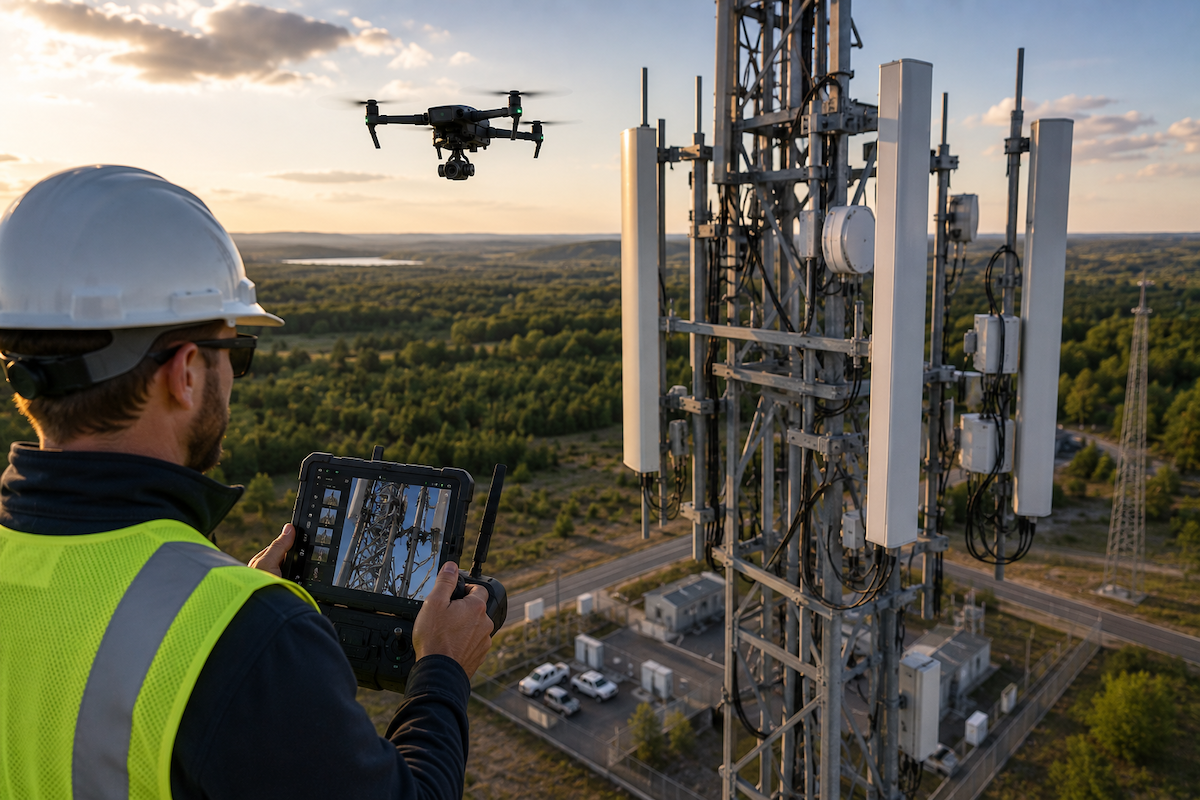
Your operations manager asks how long it takes to get a drone pilot certified. "Six months?" she guesses. Try six weeks, and that's if your team is taking their time.
The FAA certification sounds intimidating until you realize it's easier than getting a CDL, cheaper than a college credit, and something thousands of utility workers complete while keeping their day jobs. But before anyone flies, there's a regulatory hurdle you can't skip: the FAA's Part 107 Remote Pilot Certificate.
This is the UAS license required for any commercial drone operation in the United States, including utility inspections. Recreational drone use under Part 44809 exists, but the moment you fly for business purposes (inspections, mapping, damage assessment) you're commercial. Utilities don't get hobbyist exemptions.
Here's what utility operations managers, training leads, and compliance teams need to know.
What Is the Part 107 Remote Pilot Certificate?
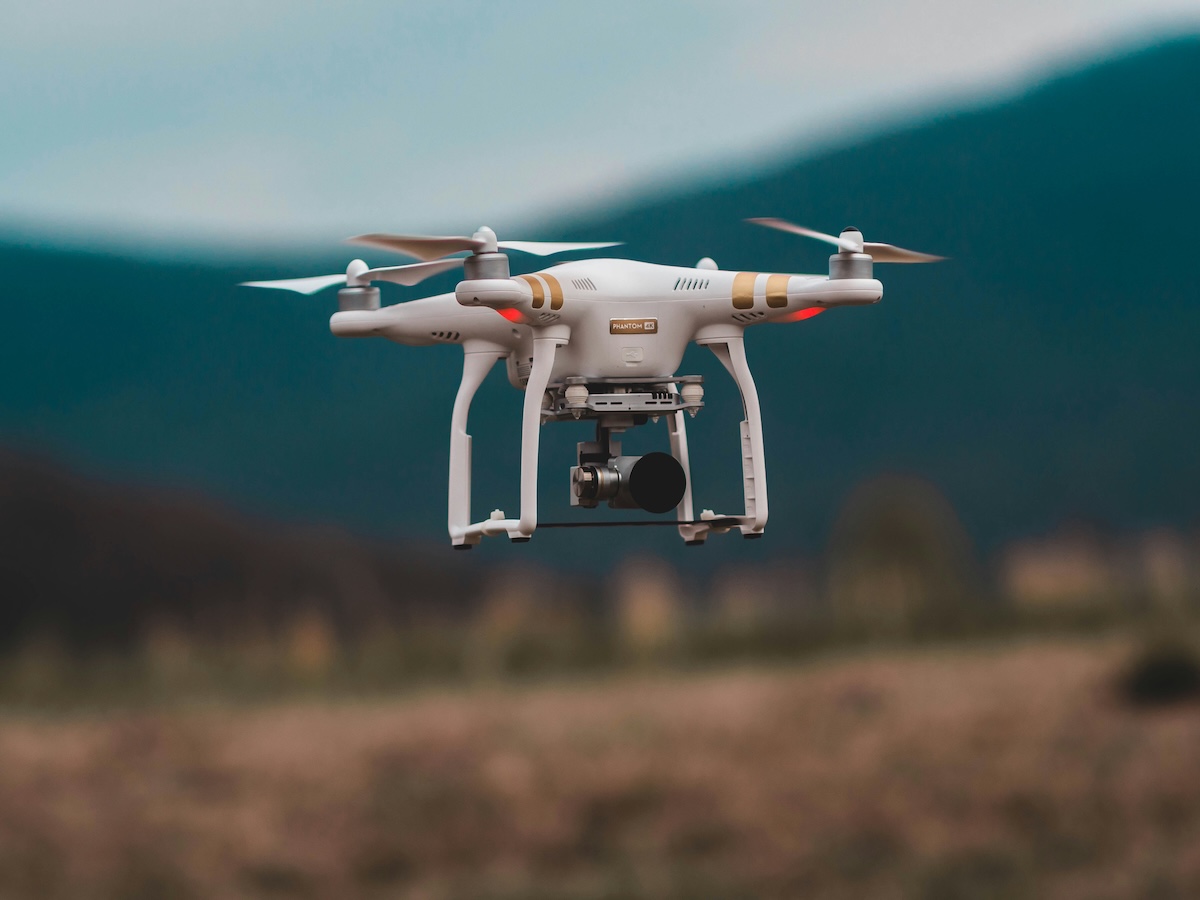
The Part 107 certificate is the FAA's commercial drone license. It proves the holder understands airspace regulations, weather effects on flight, emergency procedures, and the rules governing small unmanned aircraft systems (sUAS) under 55 pounds.
If your utility plans to fly drones for inspections, mapping, storm damage assessment, or any other business purpose, every pilot in command needs this certificate. Period.
The good news: it's accessible. The FAA designed Part 107 to be achievable without aviation background, and thousands of utility workers have earned their certification alongside their existing job duties.
Part 107 Certification: The Step-by-Step Process
Getting certified involves a knowledge test, an application, and a background check. Here's the breakdown:
Step 1: Study for the Aeronautical Knowledge Test
The exam covers airspace classification, weather, loading and performance, regulations, and flight operations. Most candidates spend 10 to 20 hours preparing, depending on their familiarity with aviation concepts.
Study resources include:
- FAA's free Remote Pilot Study Guide
- Online prep courses (ranging from free to a few hundred dollars)
- Third-party practice tests
Step 2: Schedule and Pass the Knowledge Test
The exam is a 60-question, multiple-choice test taken at an FAA-approved testing center. You need a 70% score to pass. The test fee is $175, paid directly to the testing center.
Pass rates are high for prepared candidates. Most finish the test itself in about two hours. If you don't pass, you can retake the exam after a 14-day waiting period.
Step 3: Apply Through IACRA
After passing, you'll submit FAA Form 8710-13 through the FAA's Integrated Airman Certification and Rating Application (IACRA) system. This kicks off an automatic TSA background check.
Step 4: Receive Your Certificate
Temporary certificates are typically issued within 10 business days. The permanent card arrives by mail in 6 to 8 weeks.
Total time from start to certified pilot: Most candidates complete the process in 2 to 4 weeks, depending on test center availability and study pace.
Keeping Your Certificate Current
Part 107 certificates don't expire, but they do require recurrent training. Every 24 months, certificate holders must complete a free online recurrent course through the FAA Safety Team (FAASTeam) website.
This isn't a test you can fail. It's an online training that takes a few hours and keeps your certification active. Build this into your annual training calendar.
Who Should Become a Drone Pilot at Your Utility?
This is one of the first strategic decisions you'll face. Most utilities take one of two approaches:
Option 1: Train Existing Field Staff
Many utilities cross-train linemen, inspectors, or troublemen as drone pilots. These employees already understand the assets, know how to assess anomalies, and can integrate drone data into existing workflows.
Southern Company has certified over 190 technicians across its subsidiaries, including linemen, engineers, and security personnel. Entergy Arkansas cross-trains journeyman servicemen to fly drones as part of their reliability work.
The advantage: institutional knowledge. A lineman flying a drone inspection knows what a failing cross-arm looks like. A pilot without utility experience may not.
Option 2: Build a Dedicated UAS Team
Some utilities create specialized drone teams within operations or asset management. These pilots fly full-time and develop deep expertise in flight operations, data processing, and regulatory compliance.
This model works well for large utilities with high inspection volumes or complex airspace challenges.
How to Choose
Choose cross-trained field staff if: You're inspecting 200 to 500 structures monthly, pilots will fly a few times per week, and you value asset knowledge over flight specialization.
Choose a dedicated UAS team if: You're flying daily, managing multiple sensor types, or operating in complex airspace requiring frequent waiver coordination.
The hybrid approach: Many programs start by certifying a few motivated field staff, then expand or specialize based on results. You don't need to decide everything upfront. Start small, learn, and scale.
What It Actually Costs to Certify Internal Pilots
Part 107 certification is surprisingly affordable:
- Knowledge test fee: $175
- Study materials: $0 to $300 (free FAA resources to premium courses)
- Recurrent training: Free (FAA online course every 24 months)
The bigger investment is time. Expect each pilot candidate to spend 15 to 30 hours studying and testing. If you're cross-training field staff, factor in scheduling around their existing duties.
For a small utility launching with two or three pilots, total certification costs might run $500 to $1,500, not counting time.
What About Equipment?
You'll likely start equipment procurement during Month 1 or 2, parallel to pilot certification. You don't need drones in hand for study, but having them for Month 3 hands-on training matters.
Budget $5,000 to $15,000 per drone-sensor package for basic inspection platforms. Most utilities start with one or two units and expand based on program results. Choose platforms that support both RGB and thermal imaging if fire mitigation or hotspot detection is part of your inspection scope.
Beyond Part 107: Waivers for Advanced Operations
Standard Part 107 rules include limitations that may affect utility inspections:
- Flights must stay within visual line of sight of the pilot or a visual observer
- Maximum altitude of 400 feet above ground level
- Daytime operations only (without completing night operations training)
- No flights over people not directly involved in the operation
For most distribution pole and substation inspections, these rules work fine. But if you need to fly long transmission corridors or operate remotely, you may need waivers.
Beyond Visual Line of Sight (BVLOS)
BVLOS waivers allow pilots to fly without maintaining direct visual contact with the drone. These are significantly harder to obtain than standard Part 107 certification.
BVLOS waivers can take 90 to 120 days to process and often require risk mitigation plans, operational safety cases, and sometimes third-party validation. Most utilities find it's not worth pursuing until they've logged hundreds of routine flights and can demonstrate a strong safety record.
The FAA is working toward routine BVLOS rules under a proposed Part 108 framework, but those regulations are not expected before 2026. Until then, waivers remain the only path.
Some drone manufacturers, including Skydio, offer regulatory guidance and support as part of their enterprise packages to help utilities navigate the waiver process.
Practical advice: Start with standard Part 107 operations. Build experience, document safety performance, and pursue waivers later if your program justifies the investment.
Insurance Requirements
The FAA doesn't require drone insurance, but your utility almost certainly should carry it.
Commercial drone insurance typically includes:
- Liability coverage: Protects against third-party claims for property damage or bodily injury. Most commercial policies start at $1 million per occurrence, which is the minimum many clients and contractors require.
- Hull coverage: Covers damage to the drone itself, including crashes, flyaways, and equipment failure.
For utility operations near power lines, substations, and public infrastructure, liability coverage is essential. Some utilities add drone coverage to existing aviation or general liability policies; others purchase standalone drone insurance.
Annual premiums typically run $800 to $3,000 for a basic utility program with two pilots and $1 million liability coverage. High-risk operations near critical infrastructure or in dense airspace may see higher rates.
Integrating Drones Into Your Safety Management System
Drone operations should fit within your utility's existing safety framework, not operate as a separate silo.
Key Integration Points
Pre-flight checklists and SOPs: Document standard operating procedures for flight planning, equipment checks, airspace verification, and emergency response. These aren't just good practice; they're required under Part 107.
Incident reporting: Drone operations fall under the same safety culture as other field work. Establish clear protocols for reporting near-misses, equipment failures, and any accidents resulting in injury or property damage over $500 (which must also be reported to the FAA within 10 days).
Airspace coordination: Utility infrastructure often sits near airports, heliports, or restricted airspace. Build processes for checking airspace authorizations (via LAANC or FAA DroneZone) before every flight.
Training documentation: Track pilot certifications, recurrent training dates, and flight hours. This supports compliance audits and helps identify when pilots need additional training.
Common Pitfalls to Avoid
Even well-planned programs can stumble. Watch out for these frequent mistakes:
- Certifying pilots then letting them sit idle: Skills atrophy quickly. Pilots who fly weekly stay sharper than those who fly monthly. If your certified staff aren't flying regularly, consider refresher training before high-stakes missions.
- Not budgeting for recurrent training cycles: The 24-month recurrency requirement sneaks up on programs. Build calendar reminders and budget time for completion.
- Assuming Part 107 covers everything: Federal certification doesn't override state or local regulations. Some municipalities have drone restrictions; some utilities operate near facilities with additional airspace requirements. Check local rules before flying.
- Underestimating data management workload: Flying is the visible part. Processing, organizing, and reviewing thousands of photos is where programs bog down without proper software support.
A Practical Timeline for Launching Your Program
Here's a realistic roadmap from decision to first operational flight:
Month 1: Internal Alignment
- Identify program champion (operations manager, UAS lead, or line superintendent)
- Select pilot candidates from existing staff
- Begin Part 107 study
- Start equipment research and procurement process
Month 2: Certification and Equipment
- Complete knowledge tests and certification applications
- Procure drone platforms and sensors
- Establish insurance coverage
Month 3: SOPs and Training
- Develop standard operating procedures
- Conduct hands-on flight training (many utilities use third-party trainers for this)
- Integrate with existing safety and asset management systems
Month 4: Pilot Program Launch
- Begin inspections in a defined pilot area (one feeder, substation zone, or high-priority circuit)
- Document workflows, timing, and results
- Refine processes based on real-world feedback
Month 5+: Scale and Optimize
- Expand inspection coverage based on pilot results
- Train additional pilots as needed
- Track performance metrics: structures inspected per week, report turnaround time, anomalies detected
A note on timing: This timeline assumes internal buy-in, available budget, and no procurement delays. If you're navigating internal approvals, vendor selection, or budget cycles, add 60 to 90 days to the front end.
Most utilities can launch a functional in-house drone inspection program within 30 to 90 days from the decision to proceed, assuming alignment is already in place.
A Day in the Life: What Certified Pilots Actually Do
Abstract timelines and metrics are useful, but here's what a typical week looks like for a certified lineman-turned-pilot at a mid-sized municipal utility:
- Monday morning: Inspect 75 poles on Feeder 12
- Tuesday: Storm response flight to assess damage on three circuits
- Wednesday: Upload photos, flag anomalies, generate work orders
- Thursday: Back to regular line work
- Friday: Fly substations for thermal inspection
The drone work fits around core duties, not instead of them. That's the advantage of cross-training existing staff: flexibility without headcount increases.
Metrics That Matter for In-House Drone Programs
Once you're operational, track performance to demonstrate value and identify improvement opportunities:
Structures inspected per pilot per day: Drone inspections should dramatically outpace traditional methods. Expect variation based on experience and conditions:
- 50 poles/day: beginner pilots, complex terrain, manual photo review
- 100+ poles/day: experienced pilots, flat terrain, automated workflows
Time from flight to actionable report: This is where software matters. With the right platform, turnaround can drop from weeks to hours.
Reduction in truck rolls: Drones reduce the need for bucket trucks and climbing crews for routine inspections.
Anomalies detected: Compare drone-found issues against historical manual inspection rates. Most programs find more defects, earlier.
Safety incidents: Track any drone-related incidents alongside your broader safety metrics.
The Business Impact of Getting This Right
Certification is just the starting point. What matters is what comes after: faster inspection cycles, earlier anomaly detection, reduced outage risk, and better data for predictive maintenance.
Utilities with mature in-house drone programs report inspection time reductions of 50% or more, significant drops in emergency repair costs, and improved visibility into asset health across their networks.
The Part 107 certificate gets your pilots legal. The right training, equipment, and software make them effective.
Ready to Build Your In-House Drone Inspection Program?
Your pilots can be FAA-certified in weeks. The real question is what happens after they pass the test: how quickly they can turn flights into actionable inspections. That's where workflow and software matter.
For more details on FAA Part 107 certification requirements, visit the Utileyes FAQ: How to Get Your FAA Part 107 UAS License
Want to see how the right inspection platform accelerates your program? Request a demo to explore how Utileyes helps utilities go from photo capture to crew dispatch in minutes, not weeks.