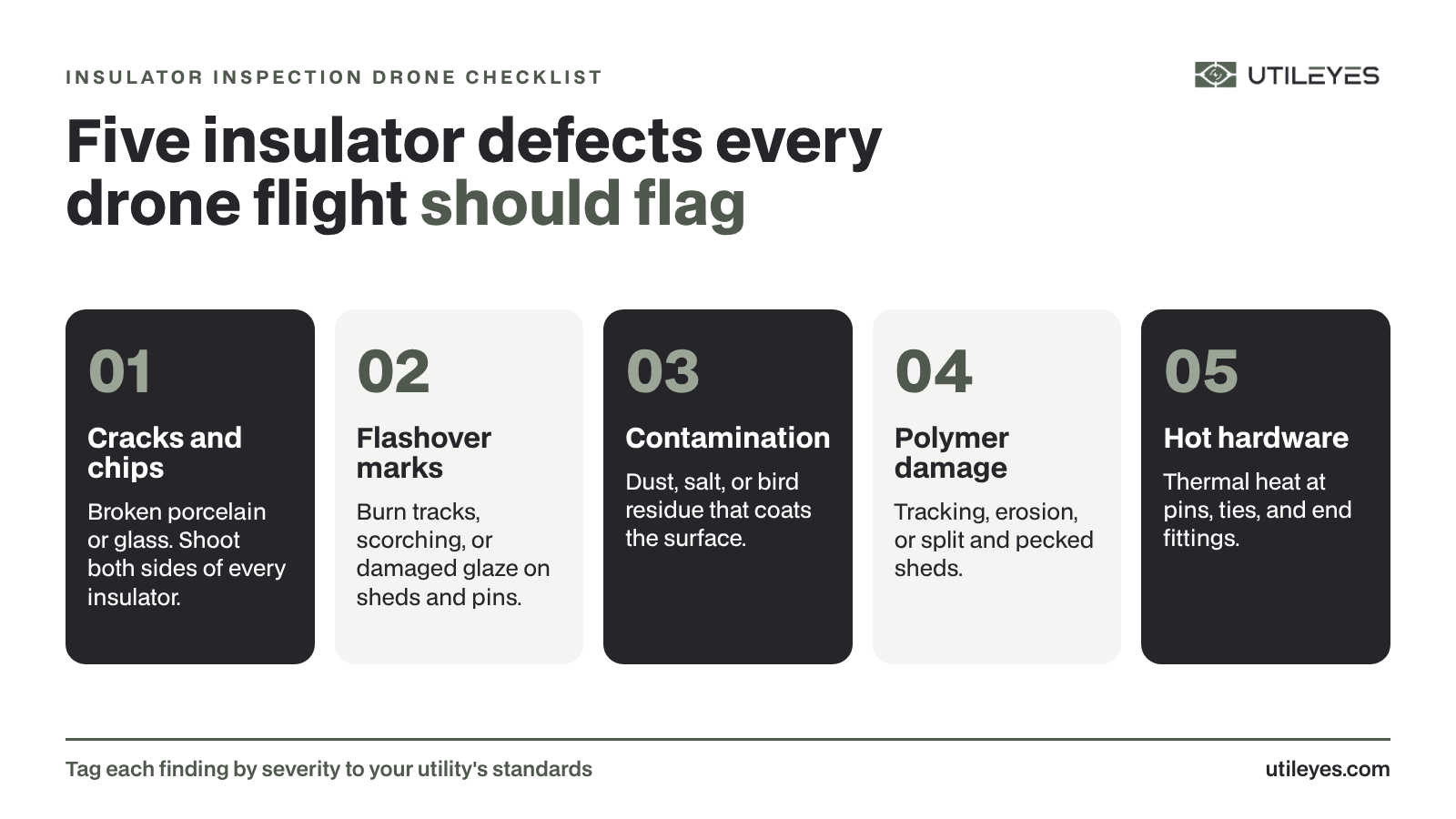
The stakes for electric utilities operating in high fire-threat districts are categorically different from those facing utilities in lower-risk regions. A failing insulator or an overloaded connector that might cause a localized outage in a temperate climate can spark a catastrophic wildfire in a Tier 3 district during a dry wind event. The margin for error is smaller, the regulatory scrutiny is heavier, and the expectation that utilities can detect and respond to ignition risks before they materialize is no longer aspirational. It is mandatory.
Drone-based inspection has become a central tool in how high fire-threat utilities meet that expectation, and the way those programs are structured reveals what it actually takes to manage wildfire risk at scale.
What High Fire-Threat District Designation Means for Inspection Programs
The California Public Utilities Commission's High Fire-Threat District designation establishes tiered fire-risk classifications for utility infrastructure. Tier 2 covers areas with elevated risk from overhead utility power lines and facilities. Tier 3 covers areas of extreme wildfire risk where the highest likelihood of fire initiation and rapid spread exists.
For California utilities, that designation carries specific inspection obligations. Corrective action timelines accelerate in HFTD areas: conditions that might warrant a twelve-month repair timeline elsewhere can require action within six months in Tier 2 or within twenty-four hours in Tier 3 when the finding creates a potential fire ignition risk. Annual inspections of Tier 3 transmission lines are required, and utilities must document their Wildfire Mitigation Plan activities including the inspection methods, frequencies, and findings in detail for regulatory review.
California is the most developed regulatory environment for HFTD-specific utility requirements, but fire-risk pressures are expanding well beyond the state's borders. Colorado, Oregon, and other western states are developing analogous regulatory frameworks as wildfire seasons intensify and utilities face mounting liability exposure. The underlying operational challenge, finding ignition risks fast enough to address them before fire conditions align, is shared across all of them.
Why Annual Inspection Cycles Are Not Enough in Fire Season
In lower-risk service territories, a structured annual or multi-year inspection rotation is a reasonable approach. In high fire-threat districts, it is not. Conditions change between inspection cycles. A thermal anomaly that was not present during last spring's inspection can develop over the summer. A connector that passed a May inspection may be failing by September when offshore wind events and low humidity create extreme fire conditions.
The utilities doing this work most effectively have moved away from fixed-interval inspection schedules in their HFTD areas and toward risk-informed, higher-frequency monitoring. San Diego Gas and Electric's Risk-Informed Drone Inspection program uses AI technology and historical outage and equipment failure data to determine which structures in HFTD areas carry the highest ignition probability. That risk scoring drives which assets are inspected and when, rather than a calendar-driven rotation.
That kind of program is only operationally viable with drones. Ground crews cannot cover HFTD circuits at sufficient frequency, particularly in the remote terrain and steep terrain that characterizes many high fire-risk corridors. Helicopters can cover more ground but at a cost that makes monthly or seasonal flying across an entire Tier 3 territory prohibitive.
An in-house drone team with the right software workflow can fly high-priority HFTD circuits multiple times during fire season, upload images the same day, and have findings in the hands of dispatchers before conditions deteriorate further.
What Thermal Inspection Adds in Fire-Prone Regions
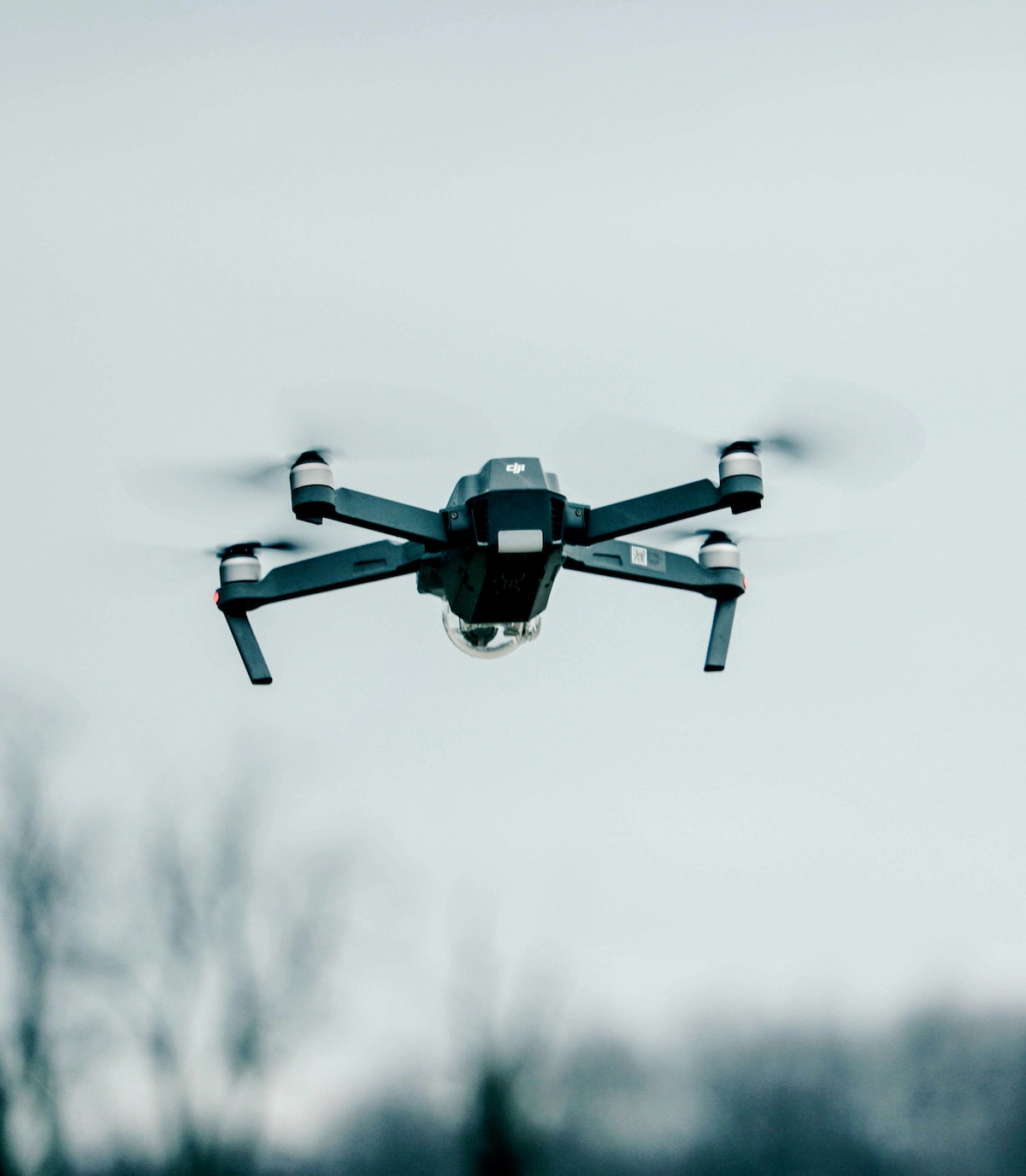
Standard RGB drone inspection captures structural and hardware condition: crossarm integrity, insulator condition, hardware corrosion, vegetation clearances. In high fire-threat districts, that visual inspection must be paired with thermal imaging to be fully effective.
Thermal cameras reveal what RGB imagery cannot. Overloaded connectors, failing conductors, and components with elevated electrical resistance generate heat before they generate visible symptoms. A connector running twenty degrees above ambient temperature is a pre-failure condition. In a fire-prone corridor, that pre-failure condition is also a pre-ignition condition.
Utilities using thermal drones in HFTD areas gain the ability to identify these heat signatures before equipment fails and before fire conditions are present. The repair is scheduled, the risk is eliminated, and the incident that might have resulted never happens.
Southern California Edison incorporated thermal drone inspections into its wildfire mitigation plan specifically to inspect equipment in high fire-threat districts. The data collected feeds directly into maintenance prioritization, with the highest-temperature anomalies flagged for the shortest repair windows.
For utilities building in-house programs, thermal capability should be standard equipment in any HFTD inspection program. Platforms like Utileyes Inspections support both RGB and thermal imagery in the same inspection workflow, allowing inspectors to review visual and thermal findings simultaneously and tag anomalies with the severity classification and repair timeline appropriate for their location within the HFTD tier structure.
Same-Day Response as a Fire Risk Management Tool
The time between a thermal anomaly being photographed and a crew being dispatched to address it is not just an efficiency metric in high fire-threat districts. It is a measure of how much unaddressed risk exists at any given moment.
A repair that takes three weeks to dispatch after detection is three weeks during which a failing component sits unaddressed in a fire-prone corridor. If that three-week window includes a red flag warning period, the risk exposure during that time is significant.
Programs that compress the time from finding to dispatch are not just operationally efficient. They are fundamentally safer. With Utileyes Inspections, the time from photos uploaded to a lineman dispatched with a prioritized work order can be under 15 minutes. Thermal anomalies flagged for fire mitigation are categorized separately from routine maintenance findings, so the most urgent discoveries reach field crews first rather than entering a general queue.
That capability matters most precisely when conditions are most dangerous: in the days before and after a red flag event, when inspection flights are most urgent and response time is most critical.
Documenting HFTD Inspection Activity for Regulatory Compliance
Wildfire Mitigation Plans filed with state regulators are not self-certifying documents. Utilities must demonstrate through evidence that the inspection activities described in their WMPs are being executed at the scope, frequency, and quality stated. That requires documented inspection records showing which structures were inspected, when, by what method, what was found, and what corrective action was taken.
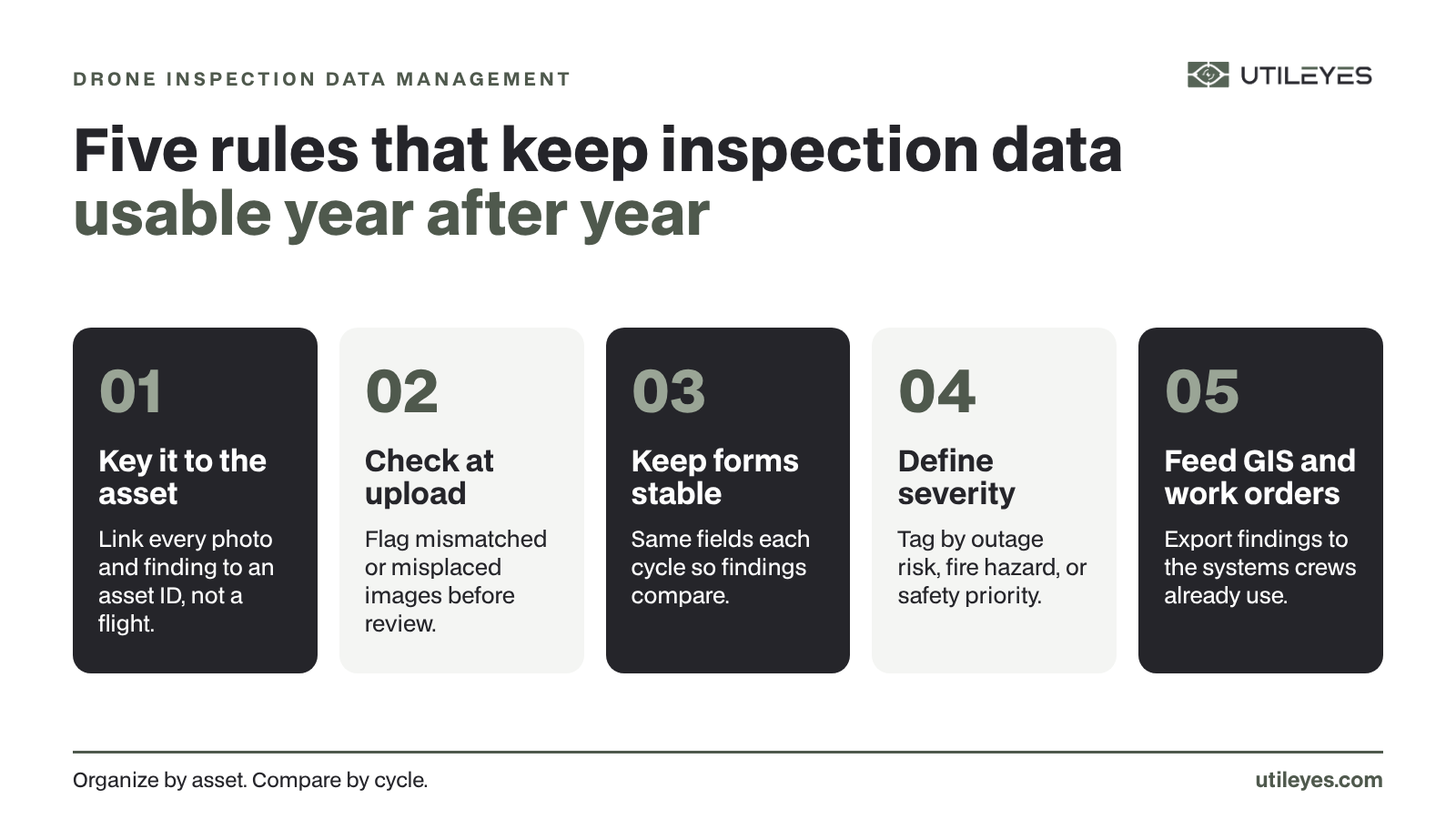
Drone-based inspection programs produce that documentation as a byproduct of normal operations: GPS-tagged images tied to specific assets, timestamped inspection records, structured anomaly data with severity classifications, and work order records documenting repair completion. The documentation trail that CPUC and other state regulators require for WMP verification is built into the inspection workflow rather than assembled retroactively.
Utilities using purpose-built inspection software like Utileyes can generate structured exports of inspection findings at any point, organized by circuit, asset, tier classification, or date range. That makes WMP reporting and regulatory audits a matter of pulling existing structured data rather than compiling records from fragmented sources.
Integrating Drone Inspection Into the Full Fire Mitigation Program
Drone inspection does not exist in isolation in a well-run HFTD program. It works in combination with vegetation management, enhanced clearance programs, weather monitoring, and rapid repair protocols.
The inspection workflow feeds the vegetation management prioritization. Thermal findings feed the asset replacement schedule. RGB findings from post-storm or post-wind-event flights feed the emergency repair queue. All of it needs to move through the same software workflow and connect to the same downstream systems.
This integration is where the choice of inspection platform has the most operational impact. A platform that exports inspection findings in a format that connects directly to your GIS, your work order system, and your vegetation management crews eliminates the manual handoffs that introduce delay and error between detection and action.
Utileyes connects with ArcGIS, ESRI, and existing work order platforms. Vegetation and thermal findings can be categorized and exported in the same operation as structural anomalies, so the full picture of HFTD risk reaches the teams responsible for addressing each category without additional routing steps.
The Shift from Reactive to Proactive in HFTD Operations
The fundamental shift that drone inspection enables in high fire-threat districts is from reactive to proactive. Traditional inspection methods, even when executed diligently, are inherently retrospective: they document conditions that exist at the time of inspection and flag what is already observable. By the time a failing component has visible symptoms visible from the ground, it may already be approaching failure.
Thermal drones move the detection window earlier. High-frequency inspections in high-risk corridors during fire season reduce the gap between when a condition develops and when it is found. And inspection software that can get findings to repair crews the same day the flight happens closes the gap between detection and action to a matter of hours rather than weeks.
That combination, more frequent inspection, earlier detection through thermal imaging, and faster dispatch through purpose-built software, is how utilities in high fire-threat districts are actively managing ignition risk rather than documenting it after the fact.
Frequently Asked Questions
Do HFTD designation and inspection requirements apply outside California?
The CPUC's HFTD framework is California-specific, but similar regulatory pressures are developing in other western states as wildfire seasons intensify and utility liability exposure increases. Colorado, Oregon, and Washington are among the states where utility wildfire mitigation plans and enhanced inspection requirements are becoming standard regulatory expectations. Utilities in fire-prone regions outside California should monitor state regulatory developments closely.
How frequently should HFTD circuits be inspected during fire season?
This depends on your specific regulatory obligations, the tier classification of your circuits, and your risk-scoring methodology. At minimum, Tier 3 transmission lines in California require annual inspection. Many utilities in high fire-threat areas go beyond the minimum, flying highest-risk circuits monthly or after any red flag weather event. An in-house drone program makes higher inspection frequency economically feasible in a way that outsourced or helicopter-based programs do not.
What do regulators look for when reviewing Wildfire Mitigation Plan inspection activities?
Regulators examine whether stated inspection frequencies were executed, whether findings were documented with sufficient specificity to demonstrate the inspection was conducted at the asset level, and whether corrective action timelines matched the priority classification of the finding. GPS-tagged, timestamped drone inspection records organized by asset and circuit provide the most defensible documentation of inspection activity.
Can a small utility with limited staff run an effective HFTD drone program?
Yes. Most successful in-house HFTD programs start with one or two certified pilots, a drone with thermal capability, and inspection software that automates the post-flight workflow. The key is choosing software that compresses the time between flight and dispatch, so a small team can cover high-priority circuits frequently and act on findings the same day. Utileyes Inspections was specifically designed to support this kind of lean, high-frequency program.
How does thermal inspection data get incorporated into a Wildfire Mitigation Plan submission?
Thermal findings tagged during the inspection review, with severity classifications, asset identifiers, GPS coordinates, and timestamps, can be exported as structured data from the inspection platform and included in WMP documentation. Purpose-built inspection software that organizes findings by tier classification and repair timeline simplifies this significantly compared to assembling records from disparate sources.